How to Choose the Best Cone Crusher Bowl Supplier in China?
Choosing the best Cone Crusher Bowl supplier in China requires more than comparing prices. The bowl must match your crusher model, feed size, rock hardness, and operating conditions. A small mismatch can create uneven wear, higher power use, and unexpected downtime. That lesson becomes clear beside a working crusher, where a damaged bowl can delay an entire production shift.
Industry data shows why supplier quality matters. The U.S. Geological Survey reported approximately 1.5 billion metric tons of crushed stone produced in the United States in 2023. Global demand for aggregates also remains closely linked to road, housing, and infrastructure investment. Reports from the International Trade Centre and China Customs data indicate China remains a major machinery exporter, but export volume alone does not prove manufacturing capability. Documentation matters.
Metso’s technical guidance repeatedly emphasizes that wear parts should be selected according to the application, not only the machine name. As Metso wear-parts specialist Jukka Peltosaari states, “The right wear part can improve crushing performance and reduce unplanned maintenance.” That principle should guide supplier interviews. Ask for chemical composition, hardness results, casting records, dimensional inspection, and field references. Request photographs of the cavity and mantle seating surfaces. Real evidence beats polished brochures.
Still, this process is not perfect. Laboratory hardness does not always predict field life. Steel quality, installation, feed segregation, and operator habits also influence results. A dependable Chinese Cone Crusher Bowl supplier should admit these variables, explain limitations, and support trial orders. The cheapest quotation may be attractive. It may also become the most expensive decision after one failed production week.
Understanding Cone Crusher Bowls and Their Role
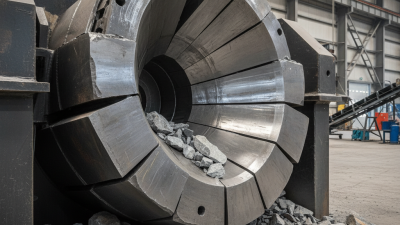
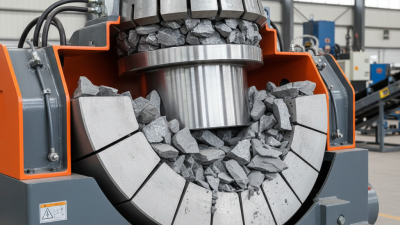
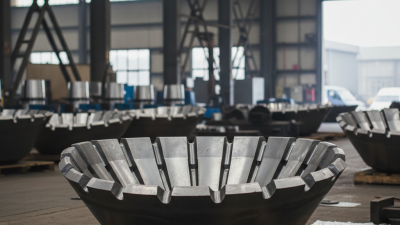
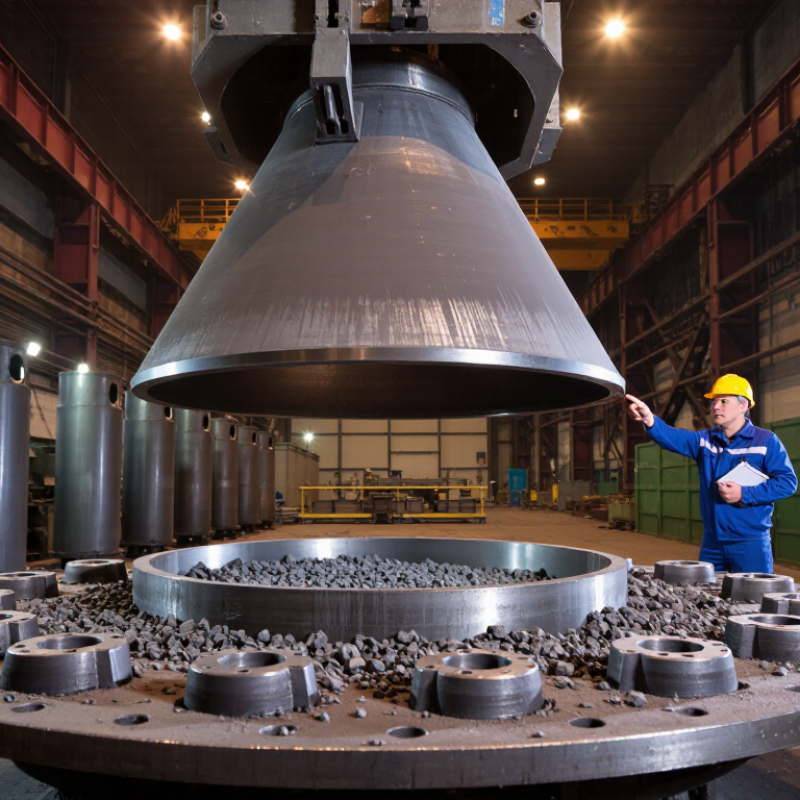
Understanding Cone Crusher Bowls and Their Role is essential when choosing a reliable supplier in China. A bowl, often called a concave liner, forms the fixed crushing surface inside the chamber. It works against the mantle to compress stone, control product size, and absorb repeated impact. The U.S. Geological Survey reported approximately 1.5 billion metric tons of crushed stone production in 2023. That volume shows why small liner decisions can influence major operating costs.
A suitable bowl must match the crusher model, chamber profile, feed size, and required output. Material selection matters too. High-manganese steel suits many abrasive applications, while alloy options may perform better under severe impact. Research and Markets’ 2024 Cone Crushers Global Market Report identifies mining and infrastructure demand as major growth drivers. Grand View Research also forecasts steady market expansion through 2030, at roughly 6% annual growth. These figures suggest stronger demand, but they do not guarantee supplier quality.
Ask for chemical analysis, heat-treatment records, dimensional inspection data, and wear-test evidence. Request samples from the same production batch. A low price can hide poor fit or uneven hardness. The mistake is easy to make. Real sites are messier than spreadsheets. I would also check packaging, traceability, replacement support, and response times before ordering. A supplier may provide impressive certificates yet misunderstand your feed conditions. Recheck the chamber, measure the old liner, and discuss actual working hours. Perfect selection is rare; disciplined verification is more realistic.
Defining Your Crusher Model, Bowl Size, and Performance Needs
Choosing a cone crusher bowl supplier in China starts with your exact crusher model. Record the manufacturer’s model code, feed opening, mantle diameter, maximum feed size, and allowable bowl dimensions. A bowl that looks similar may still alter the crushing chamber and CSS range. Confirm drawings, material grade, heat-treatment records, and inspection reports before discussing price.
Size must match the operating duty, not only the machine frame. Define your target capacity in tonnes per hour, feed hardness, moisture, and product size. USGS Mineral Commodity Summaries 2024 estimates U.S. crushed-stone production at about 1.5 billion metric tons in 2023. This scale shows why small efficiency losses can become expensive. Ask the supplier to estimate wear life, power demand, and expected throughput under your actual feed conditions. Request test data, but treat laboratory results carefully.
Performance depends on chamber profile, bowl angle, liner thickness, and closed-side setting. The Global Mining Equipment Market Outlook 2024 reports continued equipment demand from expanding aggregate and infrastructure projects. That does not guarantee better parts. A cheaper bowl may create uneven wear, higher recirculation, or unstable product grading. Check dimensional tolerances with a third-party inspector when possible. No checklist is perfect. Recheck the first production batch, especially seating surfaces and bolt holes. A reliable supplier should explain deviations clearly, provide traceable records, and accept technical questions before shipment.
How to Choose the Best Cone Crusher Bowl Supplier in China?
Typical throughput ranges by cone crusher size help define the required bowl size and supplier performance capability.
The chart uses common industry throughput ranges for standard cone crusher sizes. Actual capacity depends on feed gradation, closed-side setting, material hardness, liner profile, moisture, and operating conditions. When comparing bowl suppliers, confirm dimensional compatibility, bowl and liner material, rated load, expected wear life, and performance for your specific crusher model.
Comparing Chinese Suppliers, Materials, and Manufacturing Capabilities
How to Choose the Best Cone Crusher Bowl Supplier in China?
China’s large industrial base creates many cone crusher bowl suppliers, but capacity does not guarantee consistent quality. The USGS Mineral Commodity Summaries 2024 estimated China produced about 2.1 billion metric tons of cement in 2023. This scale supports broad casting experience. Still, buyers must compare evidence, not factory size.
Material selection deserves careful attention. Austenitic manganese steel, commonly specified under ASTM A128, can provide strong work-hardening performance in abrasive applications. However, manganese content alone is not enough. Ask for heat-treatment records, chemical analysis, hardness results, and impact-test data. A supplier using spectrometers, casting simulation, and three-dimensional inspection shows stronger process control. Traceability matters too. Each bowl should link to a batch number, drawing, and inspection report. Small gaps become expensive.
Tips:
Request two samples. Compare weight, surface finish, machining accuracy, and wear after a controlled trial. Check whether the supplier can reproduce the same chemistry across batches. A low quotation may hide poor mold control or uneven heat treatment. I have found that “custom material” often sounds impressive, yet its actual composition remains unclear. That is a warning. Visit the plant if possible, or use an independent inspection service. Review production capacity, export packaging, delivery records, and corrective-action responses. A capable supplier should explain failures without blaming the crusher.
Verifying Quality Standards, Certifications, and Supplier Reliability
Choosing a cone crusher bowl supplier in China requires more than comparing prices. Quality should be visible in documents and production details. Ask for the supplier’s quality management certificate, such as ISO 9001, and verify its validity through the issuing organization. A certificate alone proves little. The scope must cover manufacturing and inspection of crusher wear parts.
Request material certificates for each production batch. They should show chemical composition, heat treatment, hardness, and casting records. Confirm that the report matches the actual bowl liner delivered. Dimensional inspection is also important. Check the seating surface, thickness, mounting points, and finished weight against approved drawings. Small deviations can create uneven wear or installation problems. Keep samples.
Supplier reliability appears in daily communication. Ask how quickly the technical team answers questions and handles nonconformities. A dependable supplier can provide inspection photos, packing details, production schedules, and shipment records without hesitation. Factory audits can reveal useful facts, including clean storage areas, labeled materials, calibrated instruments, and traceability from raw metal to final packaging.
Do not trust polished presentations too quickly. A practical mistake is accepting an old test report for a new order. Require batch-specific evidence and a written corrective-action process. Trial orders are useful, but they are not perfect proof. I would also compare several deliveries, because one successful shipment may hide inconsistent control. Reliability is built through repeated evidence, not confident promises.
Evaluating Prices, Delivery Terms, Warranty, and Technical Support
How to Choose the Best Cone Crusher Bowl Supplier in China?
Evaluating Prices, Delivery Terms, Warranty, and Technical Support
Choosing a cone crusher bowl supplier requires more than comparing quoted prices. I have seen low offers become expensive after machining errors, delayed shipments, or poor fitting tolerances. Ask for a detailed quotation covering material grade, heat treatment, machining, packaging, and export charges. Request inspection records, dimensional reports, and photographs from recent production. A cheaper bowl is not a better deal if it wears unevenly.
Delivery terms deserve careful attention. Confirm the production schedule, port, shipping method, and responsibility for damaged goods. Ask whether critical dimensions are checked before dispatch. Get everything in writing. A supplier should explain how delays affect replacement parts and installation plans. I once underestimated transport time by two weeks, which disrupted a crushing line and increased labor costs. That mistake changed how I evaluate delivery promises.
Warranty language must be specific. Check its duration, coverage, evidence requirements, and response time. Does it cover premature cracking, incorrect dimensions, or only manufacturing defects? Technical support should include installation guidance, wear analysis, and practical troubleshooting. Ask whether engineers can review operating conditions, feed size, and liner profile. Good support uses drawings, measurements, and clear instructions. However, written answers may not solve every field problem. Verify the supplier’s experience with similar equipment and request customer references when possible. Reliable communication often matters as much as the warranty itself.