What Are Cone Crusher Wear Parts and How Do They Work?
Cone crushers operate under severe, repetitive loads. Their wear parts decide how efficiently that work becomes saleable aggregate. The USGS Mineral Commodity Summaries 2024 estimated U.S. crushed stone production at about 1.5 billion metric tons in 2023. It also estimated construction sand and gravel output near 960 million metric tons. These volumes show why small liner losses can create significant production costs.
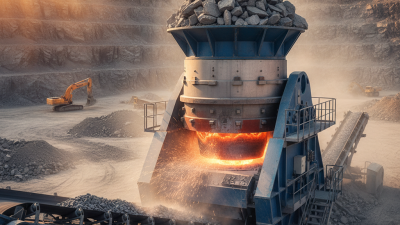
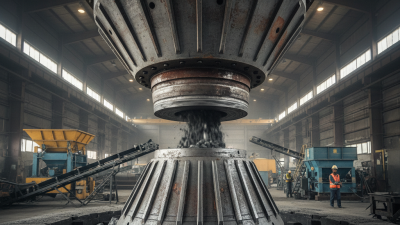
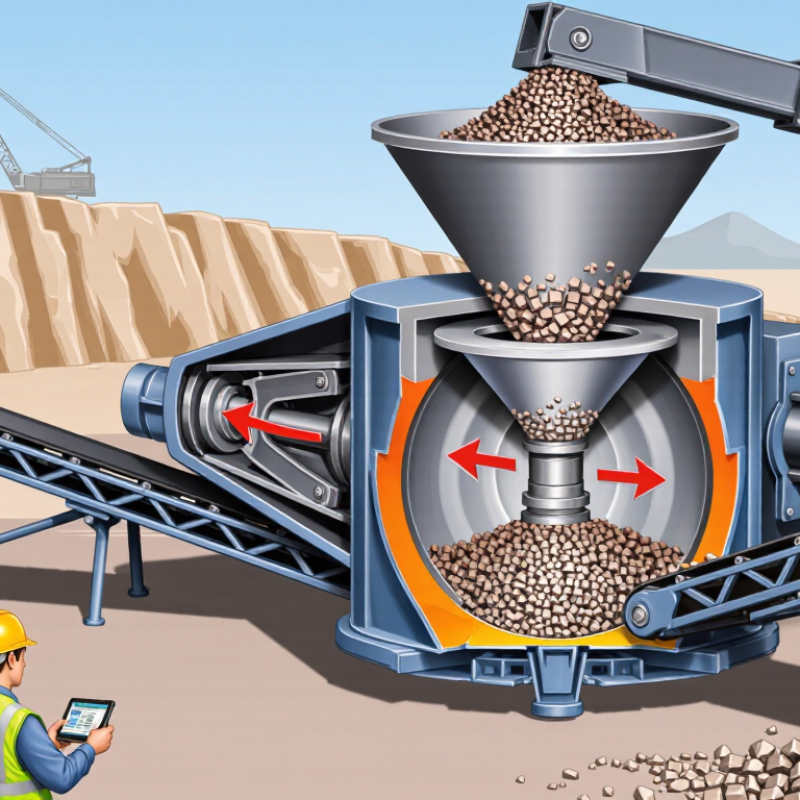
Cone Crusher Wear Parts usually include the mantle, concave, feed cone, and distributor components. The mantle rotates inside the concave while an eccentric assembly creates a controlled crushing gap. Material enters at the top, then moves downward through repeated compression. The closed-side setting influences product size. Liner profile influences capacity, wear rate, and particle shape. It is not merely a replaceable shell.
Metso’s Basics in Minerals Processing Handbook explains that crushing performance depends on feed characteristics, chamber design, and operating settings. Field experience adds another detail: a worn mantle may leave a thin, uneven crushing zone, like a narrowing funnel. That condition can increase recirculating load and reduce throughput. Sandvik technical documentation also emphasizes correct liner selection and regular inspection for stable operation.
The numbers still need interpretation. Ore hardness, moisture, feed grading, and operator practice can change actual results. A published wear-life figure is never a universal promise. Reliable maintenance teams measure liner thickness, record operating hours, and compare product shape before changing parts. This article examines how Cone Crusher Wear Parts work, why they wear, and how informed replacement decisions protect performance, safety, and operating budgets.
What Are Cone Crusher Wear Parts?
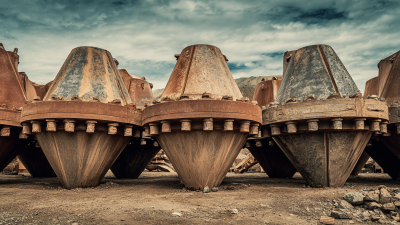
Cone crusher wear parts are replaceable components that absorb constant pressure during crushing. The main parts are the mantle and bowl liner, also called the concave. These hardened surfaces form the crushing chamber. A rotating mantle moves inside the stationary bowl liner, compressing stone between them.
Most wear parts use manganese steel because it becomes harder under repeated impact and pressure. The mantle handles the moving contact zone, while the bowl liner protects the chamber wall. Together, they control the gap where material breaks. The correct profile helps produce consistent particles and reduces unnecessary power use. Small parts, such as the feed plate and distributor, also protect nearby surfaces from direct abrasion.
In field inspections, I look for thinning edges, uneven grooves, cracks, and loose seating. Uneven wear often signals poor feeding, unsuitable settings, or a misaligned liner. No wear pattern is perfectly predictable. That matters. A part may look serviceable but already produce unstable product size. Operators should measure the remaining profile, check fasteners, and compare wear across the chamber. Waiting until metal contact appears can damage expensive supporting components. Replacement timing should follow measured condition, material type, operating hours, and the crusher’s maintenance records. Fresh liners are not automatically better if the chamber setting remains wrong.
How Cone Crusher Wear Parts Are Designed
Cone crusher wear parts are designed around force, movement, and expected rock behavior. The mantle and concave form a narrowing chamber. Their profiles control how material enters, compresses, and exits. Engineers adjust the closed-side setting, eccentric throw, and chamber angle for a target feed size. A small profile change can alter capacity and product shape.
Most liners use manganese steel because repeated impact hardens its working surface. The material stays tough underneath, which helps resist cracking. However, manganese grades are not interchangeable in every application. Abrasive granite, sticky limestone, and recycled concrete create different wear patterns. The U.S. Geological Survey reported about 1.5 billion metric tons of crushed stone production in the United States during 2023. That scale shows why liner life and consistent performance matter. Engineers often use finite-element analysis, laboratory abrasion testing, and site measurements before finalizing a design. ASTM G65 testing can compare abrasion resistance, but it cannot fully reproduce a real crushing chamber.
Tips:
Check liner thickness at several points, not only near the feed opening. Record feed moisture, CSS, power draw, and product size. These details reveal uneven loading. In field inspections, a liner can look serviceable while its profile already reduces efficiency. That is easy to miss. Wear prediction is useful, but never perfect. Operators should question models when feed conditions change. Design improvements sometimes begin with an uncomfortable observation: the selected liner was technically suitable, yet poorly matched to actual rock.
How Wear Parts Work During Crushing
Cone crusher wear parts are replaceable surfaces that contact and compress incoming stone. The mantle moves eccentrically inside the concave, narrowing the crushing chamber as it rotates. This movement creates repeated compression, fracture, and release rather than one sudden impact. In field inspections, I check the feed opening, discharge area, and liner profile. These zones rarely wear at the same speed. That matters.
When rock enters, the mantle presses it against the concave. Pressure rises until particles split along natural weaknesses. Smaller pieces fall downward through the chamber, while larger pieces receive another compression cycle. A correct closed-side setting controls the final gap and influences product size. Too tight can increase power demand and accelerate localized wear. Too open may produce coarse material and leave the chamber poorly utilized. The result is not always obvious. A worn liner can look acceptable from outside. Its profile may still reduce capacity, alter power draw, or create uneven loading.
Operators should monitor liner thickness, vibration, amperage, product shape, and unusual noise. A simple record often reveals wear earlier than visual checks alone. Material hardness, moisture, feed segregation, and tramp metal also change the wear pattern. A practical mistake is treating every wear mark as a replacement signal. Some marks are normal; deep grooves, cracking, loose fittings, or distorted profiles are not. Inspection must follow the equipment manual and site safety procedure. I have found that rushed measurements cause more confusion than worn steel. Measure carefully. Then match the maintenance decision to actual operating conditions.
Common Types of Cone Crusher Wear Parts
Cone crusher wear parts are replaceable surfaces that absorb crushing pressure, impact, and abrasive contact. The main types are the mantle, bowl liner, feed cone, and sometimes the distributor or protection ring. The mantle moves inside the bowl liner, narrowing the crushing chamber. Rock is compressed between these surfaces until it breaks into smaller pieces.
The mantle handles moving contact. The bowl liner receives most stationary abrasion. A feed cone protects the upper assembly from direct impact and uneven loading. Harder alloys usually resist wear longer, but alloy choice must match the material. Excessive hardness can increase cracking under heavy impact. In the field, technicians inspect liner profiles, discharge settings, and feed distribution together. Looking at one part alone can mislead.
The USGS Mineral Commodity Summaries 2024 estimated United States crushed-stone production at about 1.5 billion metric tons in 2023. It also reported roughly 960 million metric tons of construction sand and gravel. These volumes explain why small liner improvements can affect major operating costs. A worn mantle may increase power use, reduce product consistency, and create excessive recirculation. Operators often measure wear at several points, not just the thinnest visible area. That practice is more reliable.
Still, replacement intervals are not universal. Rock hardness, moisture, chamber design, feed size, and operator settings change the result. A practical inspection record should include operating hours, feed characteristics, liner thickness, and product gradation. Even then, the prediction may be imperfect. That uncertainty deserves attention.
What Are Cone Crusher Wear Parts and How Do They Work?
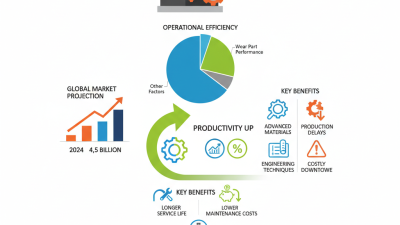
Cone crusher wear parts protect the crushing chamber and maintain the required crushing profile. The mantle and concave perform the main crushing action, while the feed cone, distributor, and frame liners guide material and protect internal components.
How to read the chart: The relative exposure index compares the typical operating exposure of common wear parts. Mantles and concaves experience the highest direct contact with abrasive material. Feed cones and distributors mainly manage material flow, while frame liners provide structural protection. Actual wear varies with rock abrasiveness, feed size, moisture, chamber design, closed-side setting, and operating conditions.
Factors That Affect Wear Part Service Life
Cone crusher wear parts include the mantle and concave liners. They protect the crushing chamber while controlling product shape. Their service life depends on more than steel hardness. Feed size, rock abrasiveness, crushing pressure, and operating habits matter every day.
The U.S. Geological Survey reported about 1.5 billion metric tons of crushed stone production in the United States in 2023. That scale shows why small wear losses can create major costs. Quartz-rich rock usually wears liners faster than softer limestone. Oversized feed can cause localized impact damage. A tight closed-side setting may improve grading, but it can also increase pressure and heat. Moisture adds another complication. Sticky material may block the chamber and create uneven wear. Poor feeding does too. A practical lesson from quarry inspections is simple: liner life rarely follows one fixed number. The “best” estimate can still be wrong.
Tips:
Record feed gradation, CSS, motor load, and liner weight at each inspection. Look for thin sections near the feed zone. Rotate or replace parts before severe deformation affects the chamber. Keep tramp metal away. Review the pattern, not only the final operating hours. ASTM abrasion tests can compare materials, but they cannot fully reproduce your quarry. That limitation deserves attention.