What Are Gyratory Crusher Wear Parts?
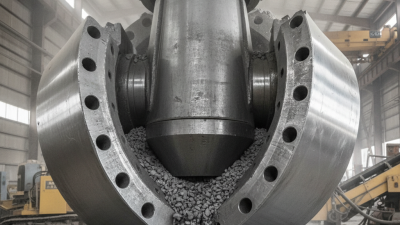
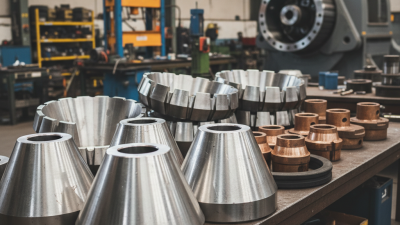
Gyratory Crusher Wear Parts are the working surfaces that protect and shape a gyratory crusher’s crushing chamber. They include mantle liners, concave segments, spider caps, and other replaceable components. These parts absorb constant impact from blasted rock, often under extreme pressure and vibration. Their condition directly affects product size, energy use, and equipment availability.
In practical operations, a worn mantle may create a wider discharge setting than expected. A damaged concave can produce uneven crushing and unusual vibration. Small cracks matter. So does uneven wear. Experienced maintenance teams inspect liner profiles, measure remaining thickness, and compare findings with operating records. They also check feed distribution, moisture, and tramp metal events before selecting replacements. A longer-lasting alloy is not always the best choice. Material hardness, feed abrasiveness, crusher speed, and maintenance access must match the application.
The right decision needs evidence. Manufacturer specifications, inspection reports, and verified material certificates provide a dependable starting point. Field experience adds useful context, but it should not replace engineering judgment. Even accurate wear predictions can fail when feed conditions change suddenly. That limitation deserves attention. Gyratory Crusher Wear Parts should therefore be evaluated as part of a complete crushing system, not as isolated steel components. Proper fit, controlled installation, and scheduled monitoring help protect the crusher and support consistent production. Performance begins with observation.
What Are Gyratory Crusher Wear Parts?
Gyratory crusher wear parts are the components that absorb crushing pressure, sliding abrasion, and repeated impact. The main parts include the mantle, concaves, spider cap, arm liners, and shell liners. The mantle moves inside the concaves, reducing large rocks into smaller fragments. Concaves protect the crushing chamber and control the profile that shapes product size.
The scale is substantial. The U.S. Geological Survey reported approximately 1.5 billion metric tons of crushed stone production in the United States during 2023. This volume shows why wear monitoring matters. A few millimeters of uneven liner loss can alter the crushing profile, increase power demand, and produce inconsistent feed. Operators should inspect contact patterns, measure remaining thickness, and compare readings with the original liner profile. Look for localized polishing, cracking, or a sharp change near the discharge zone.
Material choice is not simple. Abrasive quartz-rich rock may require stronger alloy performance, while impact-heavy ore can punish brittle surfaces. Feed size, moisture, choke level, and closed-side setting also change wear rates. Industry maintenance guidance commonly recommends condition-based replacement rather than fixed calendar intervals. That sounds obvious, but it is often ignored.
A clean wear chart can still mislead. One production site may replace liners after 900 hours, while another reaches 1,500 hours with similar equipment. The difference may reflect feed hardness, segregation, or operator settings. Reliable decisions need measured wear data, power trends, product sizing, and photographs from the chamber. Guessing is expensive.
What Are Gyratory Crusher Wear Parts?
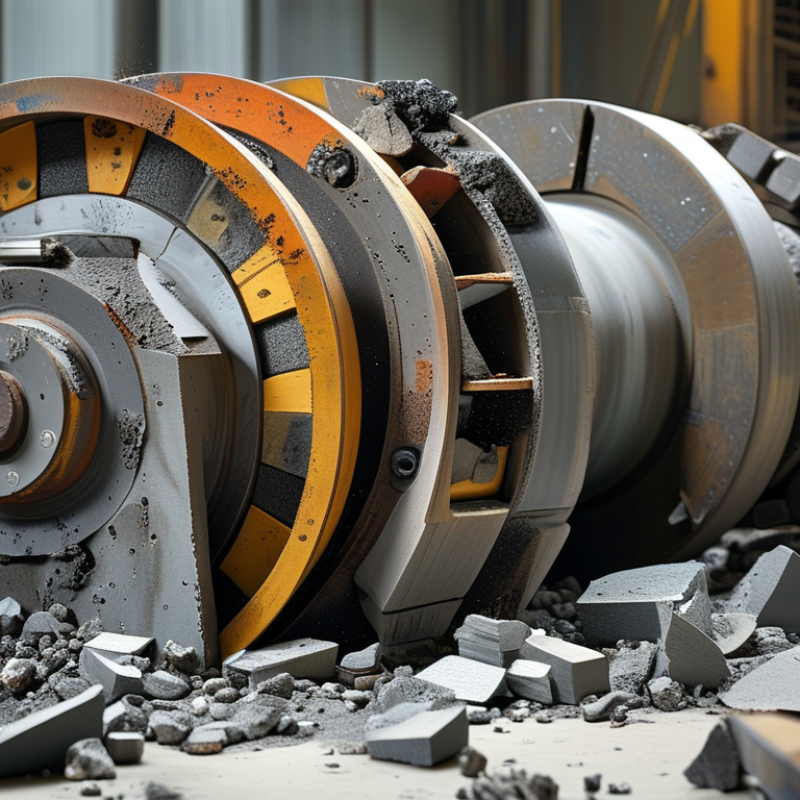
Gyratory crusher wear parts protect the crushing chamber and high-impact surfaces. The mantle and concaves normally experience the greatest abrasion, while spider caps, arm liners, and bottom shell liners protect structural components. The service-life figures shown are indicative operating ranges; actual replacement intervals depend on feed size, abrasiveness, moisture, reduction ratio, and operating conditions.
How Gyratory Crusher Wear Parts Function
What Are Gyratory Crusher Wear Parts?
Gyratory crusher wear parts protect the crushing chamber from constant impact and abrasion. The mantle moves eccentrically inside fixed concave liners. This movement creates a narrowing gap. Rock enters from above and meets the mantle’s downward pressure. As the gap closes, the material breaks under compression. The crushed particles then fall through the wider lower opening.
The mantle and concaves control more than protection. Their shape influences capacity, product size, power demand, and feed movement. A worn mantle can enlarge the crushing gap and reduce crushing efficiency. Uneven concave wear may also create poor flow patterns. That can increase vibration and place stress on the main shaft. Small changes matter.
During inspections, technicians check liner profiles, cracking, loose sections, and unusual high spots. They also compare wear measurements from several points around the chamber. A single measurement can mislead. Feed size, moisture, rock hardness, and loading conditions all affect liner life. In practical maintenance work, replacing parts too early wastes usable material. Waiting too long can damage protected surfaces and extend downtime. The difficult judgment is finding the safe operating limit.
Correct installation is equally important. Contact surfaces must be clean and properly seated. Gaps, movement, or uneven tightening can cause premature failure. Operators should record wear trends rather than rely only on appearance. I have seen liners look acceptable from above while their lower profiles were badly reduced. Inspection access is never perfect, so maintenance decisions should remain careful and reviewable.
Main Types of Gyratory Crusher Wear Parts
What Are Gyratory Crusher Wear Parts?
Main Types of Gyratory Crusher Wear Parts
Gyratory crusher wear parts protect the machine’s crushing surfaces from constant impact and abrasion. The mantle is a rotating wear component that compresses material against the concave segments. Concaves line the upper, middle, and lower crushing zones. Their profiles control the crushing chamber and influence product size.
The spider cap covers the spider assembly near the feed opening. It faces direct contact with incoming rock. Spider arm liners protect the supporting arms from falling material and abrasive dust. Some designs also use rim liners, bottom shell liners, and feed cones. These parts may look secondary, but neglecting them can expose expensive structural surfaces.
Material choice matters. High-manganese steel is common because it can harden under repeated impact. Alloy variations may suit highly abrasive feed. The correct selection depends on rock hardness, feed size, moisture, and operating conditions. Check the mantle and concaves together. An uneven gap can increase power demand and produce inconsistent output.
Measure wear regularly.
Do not rely only on appearance. A worn profile may still look usable while crushing performance has already declined. In field inspections, I have found that uneven feed distribution often creates misleading wear patterns. That issue needs correction before changing parts. Installation should follow approved drawings, tightening procedures, and recorded measurements. A small fitting error can cause movement, cracking, or premature failure.
Materials Used in Gyratory Crusher Wear Parts
What Are Gyratory Crusher Wear Parts?
Gyratory crusher wear parts protect the machine’s main crushing surfaces. They include mantles, concave segments, spider caps, and arm liners. Materials used in these parts must resist heavy compression, repeated impact, and abrasive rock. Manganese steel remains a common choice because it hardens under repeated loading. It can become tougher during operation. However, it may wear quickly in highly abrasive feed.
Alloyed steel offers a useful balance between toughness and wear resistance. Some designs use higher-chromium alloys for severe abrasion, but material selection cannot rely on hardness alone. A very hard part may crack under sudden impact. A softer part may deform or require frequent replacement. In practice, engineers should review feed size, silica content, moisture, crushing pressure, and liner thickness. Heat treatment and casting quality matter too. A strong alloy can still fail when poorly manufactured or incorrectly fitted. No material is perfect.
Tips: Check the worn profile, not only its remaining thickness. Uneven wear may indicate incorrect installation, poor feed distribution, or a changing rock type. Record operating hours and tonnage after each inspection. This comparison is often more useful than visual judgment alone. One detail is easy to miss: worn liners can alter the crushing chamber shape and increase energy use. Diverging from the original maintenance plan may sometimes be necessary, but document the reason carefully.
When and How to Replace Gyratory Crusher Wear Parts
Gyratory crusher wear parts include the mantle, concaves, spider protection, and support hardware. These parts absorb constant impact from blasted rock. Their condition directly affects product size, power demand, and safety. The U.S. Geological Survey reported about 1.5 billion metric tons of crushed stone production in 2023. At that scale, small wear losses can create large operating costs.
Replace parts when measurements approach the supplier’s minimum safe thickness, not merely when the surface looks rough. Check the mantle and concaves at marked points during every planned shutdown. Look for uneven profiles, deep grooves, cracks, loose fasteners, and exposed backing material. Rising motor power, falling throughput, or unstable product grading also deserves attention. A fixed calendar can feel reassuring, but it can be wrong.
Begin with documented lockout and stored-energy controls. Clean the chamber before inspection. Record thickness, operating hours, feed characteristics, and discharge settings. Replace severely worn or damaged components as a matched set when practical. Poorly matched profiles can produce uneven loading. Follow the approved lifting plan and torque sequence. The Mine Safety and Health Administration’s 2023 metal and nonmetal mining data continue to emphasize equipment-related hazards, making rushed replacement a poor trade. Measure twice. Then decide.
A practical replacement decision combines inspection records with operating data. Crusher chamber shape, rock abrasiveness, moisture, and feed size can change wear rates significantly. Teams should review each shutdown afterward. Sometimes the previous estimate was simply too optimistic.