Leave Your Message

How Does a Jaw Crusher Work for Your Business Needs?

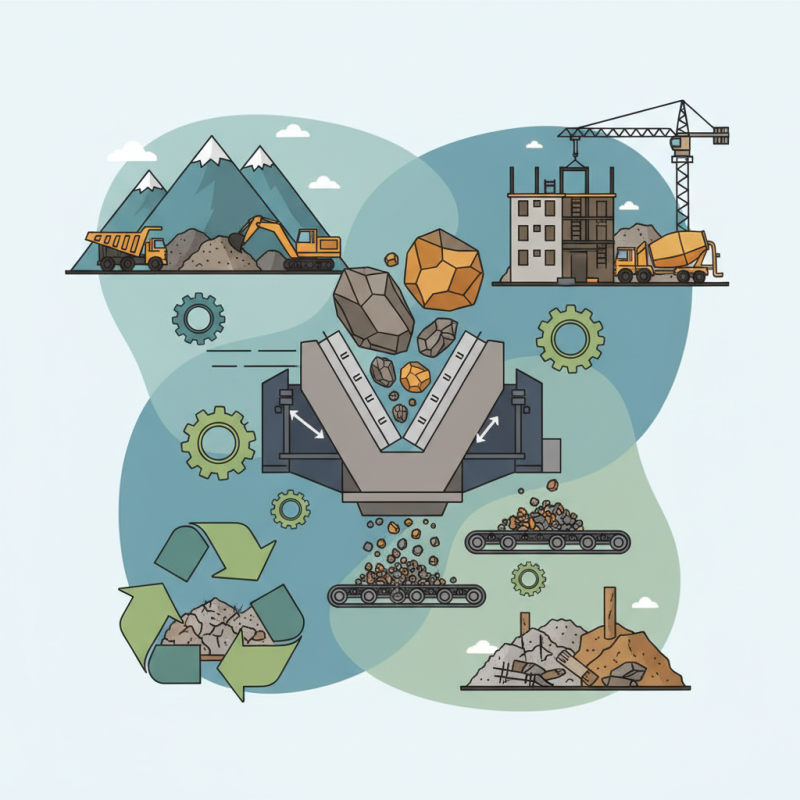
Understanding the mechanics behind a jaw crusher is crucial for various industries. Jaw crusher working involves the crushing of materials with precision and efficiency. This equipment plays a vital role in mining, construction, and recycling sectors. It transforms large rocks into manageable sizes for further processing.

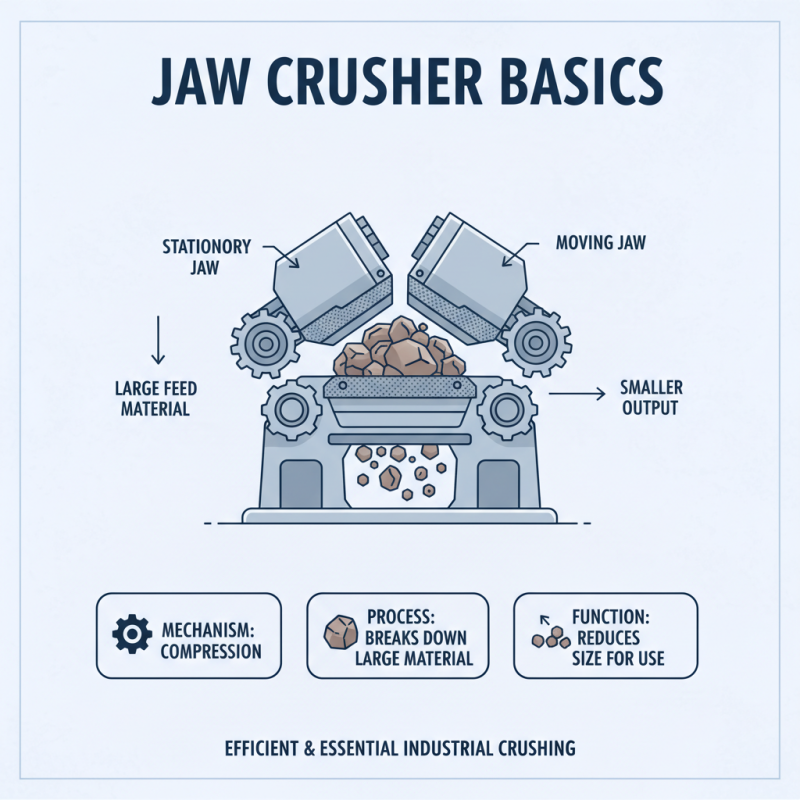
The design of jaw crushers is essential for their effectiveness. They consist of a fixed jaw and a moving jaw that create a V-shaped cavity. As materials enter, the moving jaw crushes them against the fixed jaw. This process ensures efficient size reduction. However, operations may not always go as planned. Equipment wear and maintenance challenges can arise. Businesses must be prepared to reflect on these issues to optimize their processes.

Investing in a jaw crusher requires thorough research and understanding. Selecting the right model impacts overall productivity. Each crusher has unique specifications and limitations. Careful evaluation of the jaw crusher working can lead to better business outcomes. Understanding how it operates ensures that companies meet their production needs efficiently.
How Does a Jaw Crusher Work for Your Business Needs?

Understanding the Basics of Jaw Crushers and Their Functionality

How Does a Jaw Crusher Work for Your Business Needs?

Jaw crushers play a crucial role in many industrial processes by breaking down large materials into smaller pieces. These machines consist mainly of two jaws—one stationary and one moving. When the moving jaw compresses material against the stationary jaw, it crushes the material into smaller, manageable sizes. Understanding this simple yet effective mechanism helps businesses choose the right crusher for their specific needs.

The crushing process involves force and pressure, which gradually reduces rocks or ores to desired sizes. Operators must monitor jaw wear regularly, as uneven wear can affect crushing efficiency. Jaw crushers are versatile but not perfect—they struggle with very hard or sticky materials, requiring adjustments or different equipment at times.

While the concept seems straightforward, effective jaw crusher use demands experience and knowledge. Proper maintenance improves longevity and avoids costly downtime. Choosing a crusher without understanding its limits can lead to poor performance, so ongoing evaluation and adaptation are essential for best results.
The Importance of Jaw Crushers in Various Industries

How Does a Jaw Crusher Work for Your Business Needs?

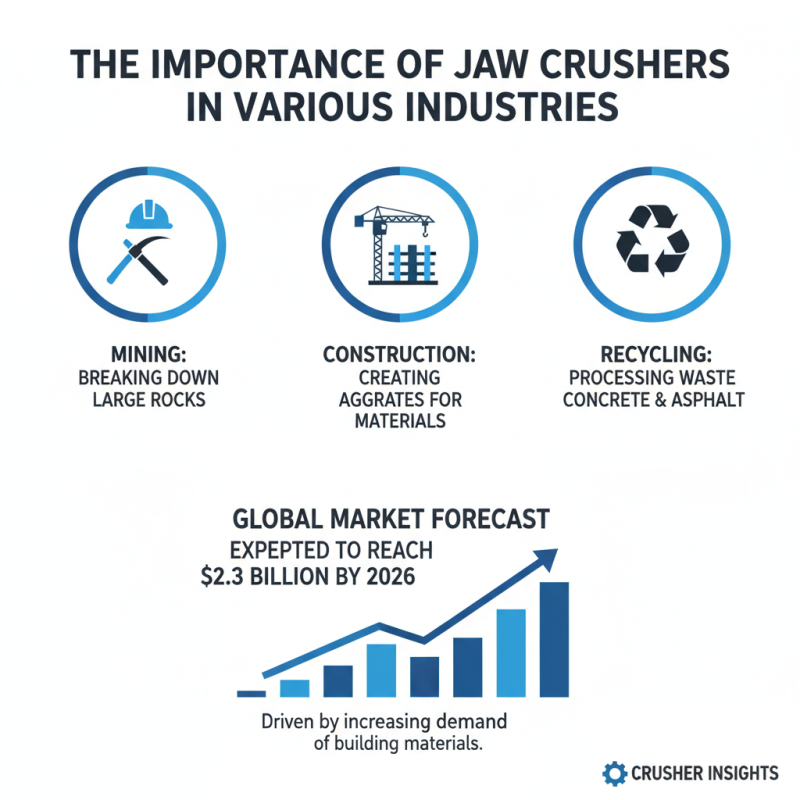
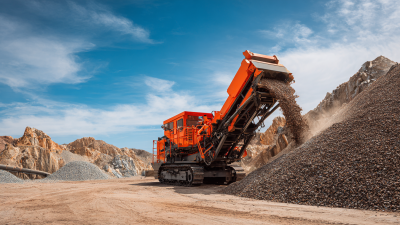
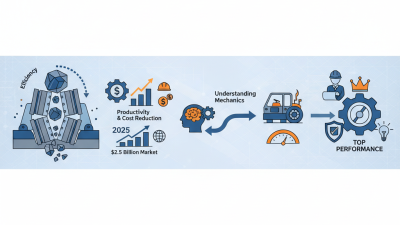
Jaw crushers play a crucial role in numerous industries, including mining, construction, and recycling. They are designed to break down large rocks into manageable sizes. According to a recent market analysis, the global jaw crusher market is expected to reach $2.3 billion by 2026, driven by the increasing demand for building materials. This equipment’s reliability and efficiency make it indispensable for crushing operations.

In mining, for instance, jaw crushers are used to process ore and aggregate materials. They can crush hard materials like granite and basalt, proving their strength. For construction, they help in producing crushed stone for concrete production. These crushers enhance productivity while ensuring safety by reducing the size of materials before transport. However, the wear and tear of jaw crushers can be significant, leading to maintenance challenges.

Tip: Regularly check and replace worn parts to extend the life of your jaw crusher.

In recycling, jaw crushers enable the repurposing of old materials into new, usable forms. They contribute to sustainability efforts in various industries, showcasing their flexibility. Yet, businesses must evaluate their material processing needs carefully. Oversizing or undersizing can lead to inefficiencies and increased costs. Understanding the specific requirements of your operation is essential for optimized performance.

Tip: Analyze your material input and output to achieve the best efficiency.

Key Components and Design Features of Jaw Crushers

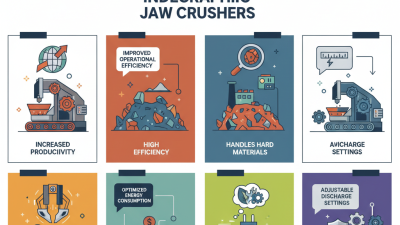
Jaw crushers are vital in various industries, particularly for processing materials like rocks and ores. Understanding their key components and design features can significantly enhance their effectiveness in meeting business needs. The primary component is the jaw plate, designed to crush material between two surfaces. This motion generates a force that helps break down even the toughest materials.

Another important feature is the adjustable discharge opening. It allows operators to control the size of the crushed material. This flexibility is crucial for different applications, ensuring the final output meets specific requirements. Additionally, robust frames made from heavy-duty steel contribute to the durability of the equipment. However, wear and tear on components like the jaw plate must be monitored closely. Regular maintenance is essential to avoid operational inefficiencies.

Moreover, the innovation in jaw crusher design has led to enhanced energy efficiency. Newer models often feature advanced technologies that reduce operational costs. Still, one should be mindful of balancing performance and maintenance needs. This balance ensures that the crusher operates at optimal efficiency, which can be a point of reflection for many businesses relying on this equipment.

How to Choose the Right Jaw Crusher for Your Business Needs

Choosing the right jaw crusher for your business needs is crucial. A suitable model can enhance efficiency and productivity. Factors to consider include the size of your materials, the desired output, and the nature of your operations. You need to analyze the feeding size and the types of materials you will be processing. Different models cater to various capacities.

Consider the material's hardness and abrasiveness as well. Some jaw crushers excel with softer materials, while others are more suited for tougher rocks. It’s important to note that not all crushers have the same durability. Some may require frequent maintenance, which can impact your operations.

Don’t overlook the importance of after-sales support as well. A reliable support system can save you time and money when issues arise. Balancing cost-effectiveness with quality can be challenging. Reflect on your specific business goals before making a decision. The right jaw crusher will align with your operational needs while providing a solid return on investment.

Jaw Crusher Performance Comparison

This chart compares the maximum output of different jaw crusher models, helping businesses to choose the most suitable one for their specific needs.

Maintenance Tips for Maximizing Jaw Crusher Efficiency

Regular maintenance is essential for maximizing the efficiency of a jaw crusher. Industry reports show that improper maintenance can reduce crusher efficiency by up to 30%. This inefficiency can lead to lower production rates and increased operational costs. It's crucial to maintain optimal lubricant levels. Regularly inspect the lubricating oil quality. Contaminated oil can cause increased wear on components.

Another vital aspect is checking the alignment of the jaw plates. Misalignment can lead to uneven wear, impacting performance. Periodic adjustments can significantly extend the life of the machine. In addition, operators should monitor the feed material closely. Overloading can cause strain and damage to the equipment. A well-balanced feed promotes a smoother operation.

Finally, it's essential to incorporate routine inspections. These checks can identify wear and tear before they become costly repairs. Documentation of these inspections is crucial for tracking performance trends. Utilizing proper maintenance practices may yield up to a 15% increase in productivity. Focused efforts on maintenance can transform a jaw crusher into a highly efficient piece of equipment.