Top 10 Jaw Crusher Wear Parts Buyers Guide for 2026
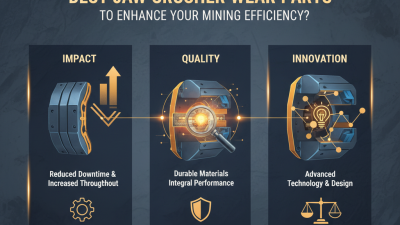
In the evolving landscape of mining and aggregate production, choosing the right Jaw Crusher Wear Parts is crucial. These components play a vital role in the efficiency and longevity of crushing equipment. Robust wear parts can significantly enhance performance, leading to better operational outcomes.
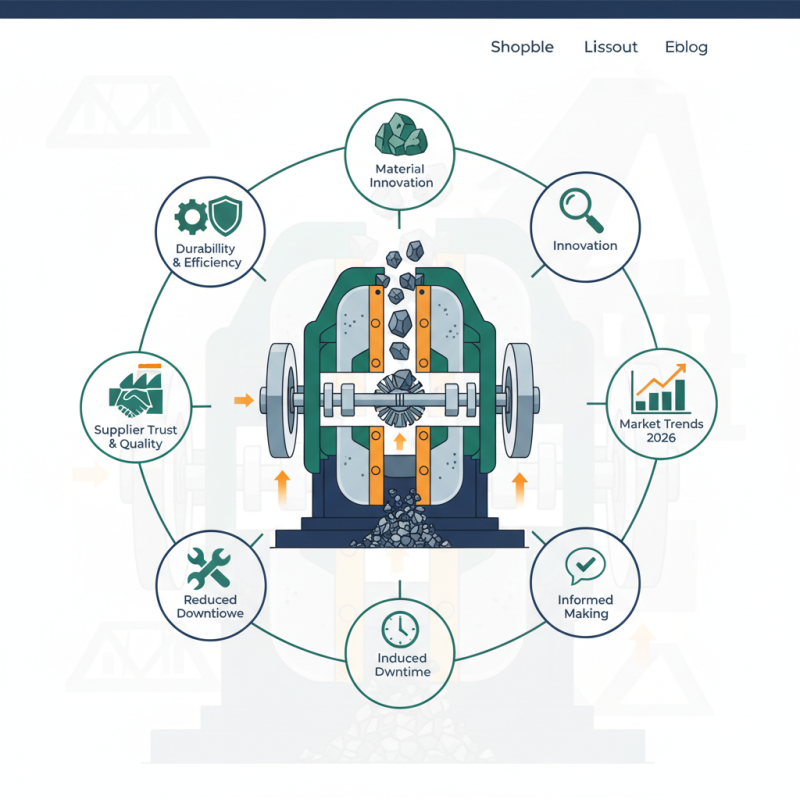
As we look ahead to 2026, understanding the market trends and innovations in Jaw Crusher Wear Parts becomes essential. Will the new materials withstand the stresses of modern operations? Can we trust suppliers to deliver quality consistently? This guide aims to equip buyers with the insights needed for informed decisions.
In a competitive industry, overlooking wear parts can lead to costly downtime. Many buyers feel overwhelmed by options and suppliers. It's a complex market, and not every product is what it seems. Focusing on quality, experience, and manufacturer reputation can steer you towards the right choices. Informed decisions now will foster reliability and productivity in the years to come.
Understanding Jaw Crusher Wear Parts and Their Importance
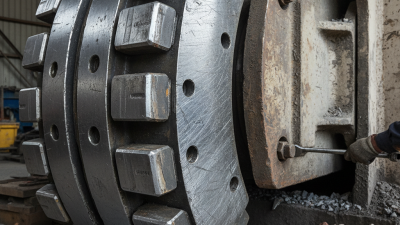
Jaw crushers are critical in various industries, especially in mining and construction. Understanding jaw crusher wear parts is essential for maintaining operational efficiency. These parts, such as jaws, liners, and cheek plates, experience significant wear during crushing operations. Regular inspection and replacement of these components can prevent costly downtime and enhance productivity.
Choosing the right wear parts can be challenging. Factors like material composition and design impact the durability and performance of these components. Some users underestimate the importance of high-quality parts. Cheap alternatives might save money upfront but could lead to more frequent replacements and increased operational costs.
Users often overlook the need for . Monitoring wear levels and identifying signs of degradation can prolong the life of a crusher. Small, unnoticed wear can escalate into larger issues. Being proactive is crucial. Investing in knowledge about wear parts pays off in the long run. Understanding wear patterns helps in making informed decisions.
Key Factors to Consider When Buying Jaw Crusher Wear Parts
When purchasing jaw crusher wear parts, several key factors demand attention. Firstly, the material used in the parts is crucial. High-quality materials enhance durability and performance. Consider hardness and resistance to impact. Using subpar materials can lead to premature failure and increased costs over time.
Tips: Always request material certification. Verify if the supplier conducts quality checks. This ensures your parts meet performance standards.
The thickness of the wear parts is also important. Thicker parts may provide longer lifespans but can affect the machine's efficiency. Evaluate your specific needs based on the material being crushed. Balancing durability with efficiency requires careful consideration.
Tips: Analyze your crushing operations. Adjusting parameters can help in selecting the right thickness. Don't forget to check wear patterns on existing parts.
Moreover, the compatibility with your existing equipment plays a vital role. Even high-quality parts will underperform if they don't fit properly. Measure and compare dimensions with precision. Many buyers overlook this aspect, leading to frustrating operational issues.
Tips: Consult your equipment manuals and past purchasing records. This can guide your decision-making process for compatible parts. Always keep an eye on user reviews for feedback.
Top 10 Jaw Crusher Wear Parts Buyers Guide for 2026
| Part Type |
Material |
Hardness |
Recommended Use |
Average Life Span (Hours) |
Cost Estimate (USD) |
| Jaw Plates |
Manganese Steel |
HRC 18-22 |
Primary Crushing |
400-600 |
$1,200 - $1,500 |
| Cheek Plates |
High Carbon Steel |
HRC 40-50 |
Protection for Jaw Plates |
300-500 |
$600 - $800 |
| Toggle Plates |
Alloy Steel |
HRC 30-35 |
Jaw Movement |
500-700 |
$900 - $1,200 |
| Flywheel |
Cast Iron |
N/A |
Energy Storage |
N/A |
$300 - $500 |
| Jaw Crusher Liners |
Manganese Steel |
HRC 18-22 |
Secondary Crushing |
400-600 |
$1,100 - $1,400 |
| Drive Belts |
Rubber Composite |
N/A |
Power Transfer |
N/A |
$150 - $300 |
| Bearing Seats |
Casting Steel |
HRC 35-40 |
Support Movable Jaw |
500-800 |
$700 - $1,000 |
| Shims |
Steel |
N/A |
Adjustment |
N/A |
$80 - $150 |
| Retaining Rings |
Spring Steel |
N/A |
Component Security |
N/A |
$50 - $100 |
| Elastic Couplings |
Polymer |
N/A |
Vibration Dampening |
N/A |
$120 - $200 |
Top Manufacturers of Jaw Crusher Wear Parts in 2026
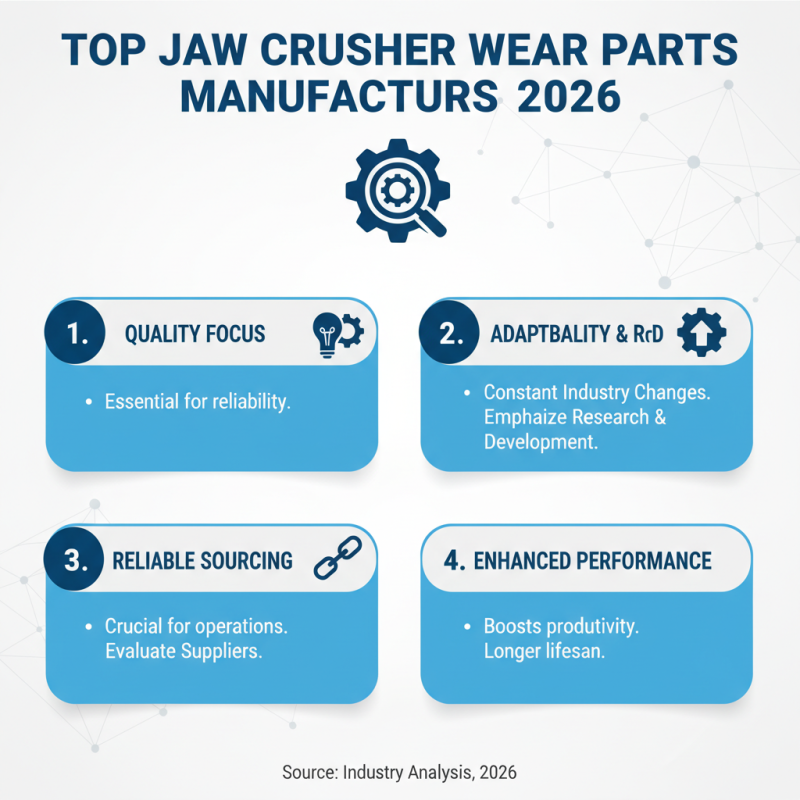
When considering the top manufacturers of jaw crusher wear parts in 2026, a keen eye on quality is essential. The industry sees constant changes, making reliable sourcing crucial. Evaluating potential suppliers can safeguard your operations. Look for companies that emphasize research and development. Effective wear parts enhance performance and productivity.
One tip is to prioritize suppliers with proven track records. Research their material sourcing and manufacturing processes. Pay attention to customer reviews and case studies. These factors significantly influence performance.
Remember, investing in high-quality wear parts leads to improved efficiency. However, it's vital to remain aware of the evolving market landscape. Demand trends can shift quickly. Stay updated on innovations and advancements. Being proactive ensures you maximize your investment in wear parts, optimizing your equipment's lifespan and reliability.
Comparative Analysis of Material Types for Jaw Crusher Wear Parts
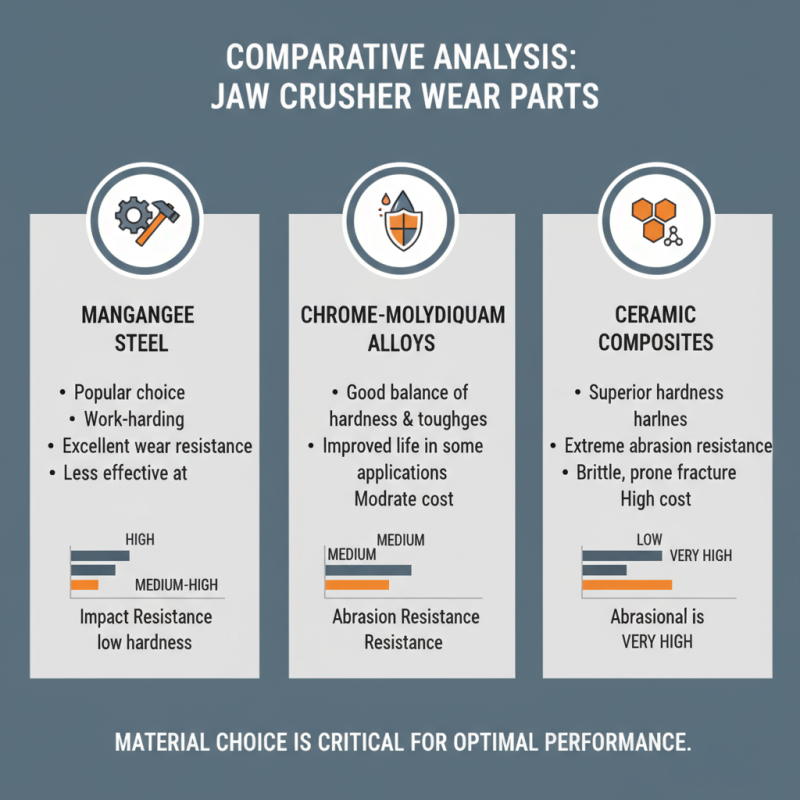
When selecting jaw crusher wear parts, material choice is critical. Various materials offer different benefits and can influence overall performance. Common choices include manganese steel, chrome-molybdenum alloys, and ceramic composites. Manganese steel is a popular option due to its work-hardening properties, providing excellent wear resistance. However, it can be less effective at lower hardness levels.
Chrome-molybdenum alloys can provide better toughness and strength at high temperatures. They remain stable under extreme conditions, which is essential for heavy-duty applications. Yet, they may not match the wear resistance of higher manganese steels in certain scenarios. Ceramic composites have emerged as an innovative alternative. They offer lightweight durability and superior wear resistance. However, their brittle nature can lead to unexpected fractures under heavy loads.
Choosing the right material involves assessing not only the application but also the operating environment. Factors such as impact, temperature, and material type must be carefully considered. Each material carries inherent advantages and disadvantages. It is crucial to revisit these choices regularly, ensuring they align with evolving conditions and requirements. Balancing durability with cost is an ongoing conversation among industry professionals.
Maintenance Tips for Maximizing the Life of Jaw Crusher Wear Parts
Jaw crushers are essential in mining and aggregate industries. Proper maintenance of wear parts can significantly extend their lifespan. Regular inspections are crucial. Assessing components like cheek plates, jaw plates, and liners frequently helps identify wear patterns. This proactive approach can prevent unexpected failures.
Reports indicate that poor maintenance can lead to a 25% reduction in productivity. Keeping the jaw crusher clean is vital. Dust and debris can hinder optimal performance. Using high-quality lubrication also reduces friction and wear. A common oversight is ignoring the importance of proper alignment. Misaligned parts can cause uneven wear and energy loss.
Operators often underestimate how temperature affects wear. High heat accelerates material degradation. Implementing a consistent monitoring system for operating temperatures can mitigate this. While maintenance might seem straightforward, many overlook minor issues. Small cracks or chips may indicate larger problems. Documenting maintenance activities can provide insights into wear trends. This systematic approach fosters a culture of reliability and efficiency.
Jaw Crusher Wear Parts Maintenance Tips and Lifespan