2026 How to Optimize Your Gyratory Crusher for Maximum Efficiency?
The Gyratory Crusher is a vital component in various industries, especially in mining and construction. Optimizing its performance is crucial for improving operational efficiency and reducing costs. A well-tuned gyratory crusher can significantly enhance the processing of materials, ensuring consistent output quality. Yet, many operators overlook key maintenance practices that could elevate efficiency.
Understanding how to optimize a Gyratory Crusher requires a blend of knowledge and experience. Factors like proper feed distribution and regular inspections can lead to better performance. It's also essential to evaluate wear patterns and adjust settings accordingly. However, many users fail to regularly assess these areas, leading to diminished productivity.
A commitment to continuous improvement is necessary to achieve ideal results. By examining existing processes, operators can identify potential weaknesses. This reflection could reveal overlooked adjustments that may greatly enhance the machine's function. Balancing technical expertise with practical experience can create a pathway to maximum operational efficiency in 2026 and beyond.
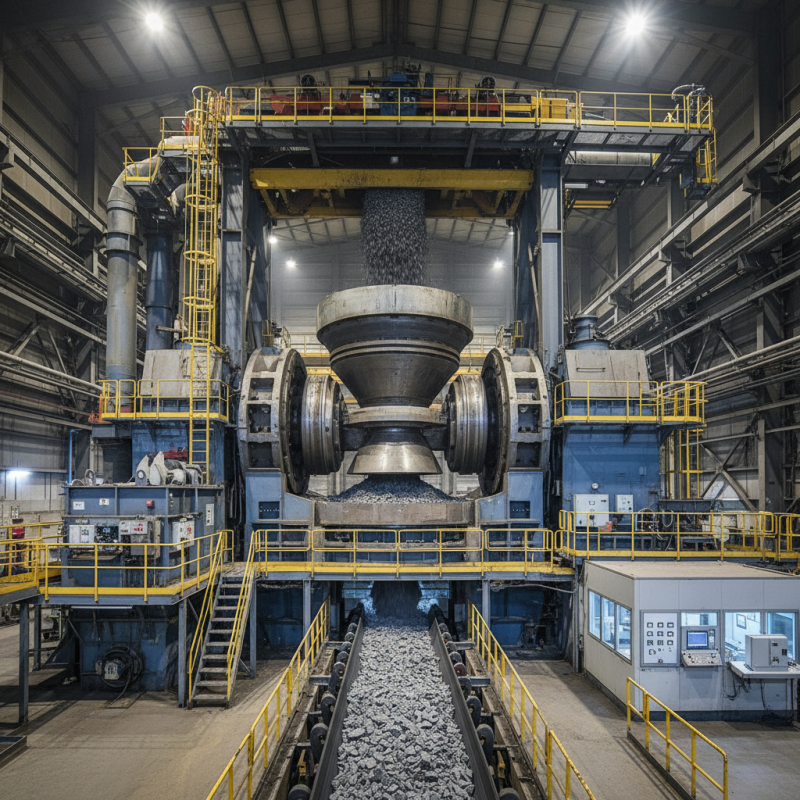
Optimizing the Gyratory Crusher: An Overview of Key Components
Optimizing a gyratory crusher hinges on understanding its key components. The main elements include the mantle, concave liners, and the eccentric assembly. Each part plays a critical role in the crushing process. For instance, the mantle's design can significantly influence the crushing efficiency. According to recent industry reports, optimizing mantle profiles can lead to up to a 30% increase in throughput.
The concave liners also affect performance. Different liner profiles enhance the crushing of various materials. Data shows that adjusting the liner profile can optimize the reduction ratio. This can significantly improve energy efficiency, which is vital in today’s competitive landscape. Monitoring these components can help identify wear patterns early, potentially preventing costly downtimes.
The eccentric assembly is another crucial factor. Its speed and throw can directly impact the size distribution of the crushed material. While increasing the throw may improve throughput, it can lead to excessive wear and tear. Striking a balance is key. Overall, while there are established best practices for optimizing gyratory crushers, continuous assessment and tweaking of components remain essential.
Understanding the Importance of Feed Rate for Crusher Efficiency
In the realm of gyratory crushers, the feed rate plays a critical role in ensuring maximum efficiency. According to industry experts, optimizing the feed rate can enhance overall productivity by up to 35%. Higher feed rates allow for better utilization of the crushing chamber, which leads to more effective size reduction. However, excessive feed can lead to bottlenecks, causing operational inefficiencies and increased wear on components.
Ensure that your feed rate aligns with the crusher's capacity. An ideal feed should fill the chamber without overloading it. Regularly monitor the material's size and consistency as well. Large lumps can obstruct flow, impacting performance negatively. Keep an eye on the throughput; it should remain consistent with your operational goals.
**Tip:** Conduct regular audits to analyze feed rate performance. Data from recent studies shows that 20% of crushers operate below their optimal feed rates. Adjust your processes based on these insights to enhance performance.
When planning feed strategies, consider the material properties. Different materials require varying handling techniques. For instance, wet materials can clump, affecting flow. Balancing moisture levels in the feed can improve overall efficiency. This approach not only maximizes output but also prolongs equipment life.
2026 How to Optimize Your Gyratory Crusher for Maximum Efficiency?
| Feed Rate (tons/hour) |
Throughput Efficiency (%) |
Power Consumption (kW) |
Wear Rate (kg/ton) |
Operating Cost ($/ton) |
| 100 |
85 |
150 |
0.02 |
8.00 |
| 150 |
80 |
180 |
0.025 |
9.50 |
| 200 |
75 |
210 |
0.03 |
11.00 |
| 250 |
70 |
240 |
0.035 |
12.50 |
| 300 |
65 |
280 |
0.04 |
15.00 |
The Role of CSS (Closed Side Setting) in Maximizing Output Quality
The Closed Side Setting (CSS) of a gyratory crusher plays a crucial role in maximizing output quality. Adjusting the CSS affects the size of the output material significantly. A narrower CSS typically produces finer aggregates but may lead to increased wear on the crusher's parts. According to industry experts, an optimal CSS can enhance throughput by up to 30%, directly impacting production efficiency.
Crushing efficiency is multi-faceted. Maintaining the right CSS not only improves particle size distribution but also prolongs the life of wear components. Reports indicate that improper CSS settings can result in up to 15% more downtime due to frequent maintenance. Operators must continuously monitor and adjust CSS based on feed material characteristics. The ideal setting often requires iterative testing and fine-tuning.
Global data suggest that a well-optimized CSS reduces energy consumption by as much as 20%. Efficient crushers not only produce better output but also save on operational costs. However, achieving the perfect balance is not straightforward. Too fine a setting may hinder throughput, while too coarse may compromise product quality. The challenge lies in finding that sweet spot through continuous improvement and real-time monitoring of performance metrics.
Maintenance Best Practices to Enhance Gyratory Crusher Longevity
Gyratory crushers are essential in mining and aggregate operations. Their maintenance directly affects performance and longevity. Regular inspections help identify wear patterns. A study by the International Journal of Mining Sciences highlights that well-maintained crushers can achieve efficiency rates exceeding 90%.
To enhance your gyratory crusher’s longevity, consider implementing a preventive maintenance schedule. This should include checking lubrication levels and inspecting wear parts. Small issues can escalate quickly, risking costly downtime. Monitor vibration patterns to catch potential problems early.
Tip: Keep a detailed log of maintenance activities. This helps identify recurring issues and improves future decision-making.
It’s important to use the right materials for repairs. Using substandard parts can lead to failures. Furthermore, create an environment that minimizes contamination. Dust and debris can adversely affect component life. Training operators on proper functions is crucial too.
Tip: Evaluate the performance metrics regularly. Adjust maintenance practices based on real-time data. This proactive approach can significantly boost performance and safety. Avoid neglecting any part of the maintenance process. Even small oversights can lead to significant inefficiencies.