What is a Plate For Jaw Crusher and Its Importance?
The "Plate For Jaw Crusher" serves as a critical component in the crushing process within various industries, including mining and construction. This essential part has a direct impact on the efficiency and longevity of the equipment. According to a report by Grand View Research, the global jaw crusher market size was valued at USD 1.72 billion in 2021 and is projected to grow significantly. Such growth highlights the importance of investing in high-quality plates.
Understanding the role of this plate is vital. It determines how effectively materials are crushed, affecting overall productivity. A well-manufactured plate can enhance operational efficiency, but poor quality can lead to frequent replacements and downtime. This not only affects operational costs but can also hinder project timelines. The wear and tear of the plate is a crucial factor that should not be neglected.
Furthermore, attention to details, such as choosing the right material composition for these plates, can lead to improved performance. Implementing advanced technologies in plate production may reduce unexpected failures. However, it’s important not to overlook regular inspections and maintenance. This is often where many operators find themselves failing. Balancing cost and quality remains a dilemma, yet it is essential for sustained operational success.
Definition and Function of Jaw Crusher Plates
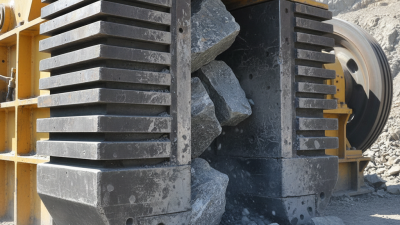
Jaw crusher plates play a crucial role in the efficiency and effectiveness of crushing operations. These plates are made of high-quality materials, often manganese steel, which provides durability and longevity. The primary function of these plates is to crush materials through compression. As the jaw moves, one plate remains stationary while the other moves with a swing motion. This action creates a crushing force that breaks down the material, making it smaller and easier to process.
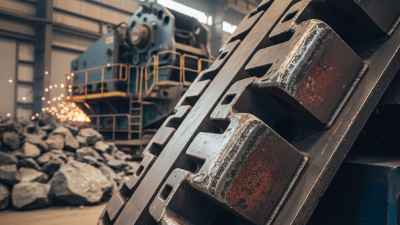
In the jaw crusher, the design and positioning of the plates are vital. Accurate alignment ensures that the crushing process is uniform and efficient. When plates are worn unevenly, it can lead to a decrease in performance. Observing how these plates wear over time is essential for maintenance. Regular inspection can prevent unexpected downtime, which can be costly for operations.
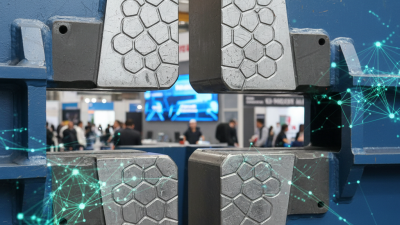
Moreover, the plate's surface texture impacts its gripping ability. A rough surface may enhance the grasp on tougher materials. However, if the texture is too coarse, it may lead to excessive wear. Finding the right balance in the plate design is critical. This aspect often requires careful consideration and experimentation to achieve optimal results. The role of jaw crusher plates is not just mechanical; it embodies an ongoing learning process in material science and engineering.
Jaw Crusher Plates - Material Composition and Impact on Performance
Materials Used for Jaw Crusher Plates
Jaw crusher plates are critical components in the crushing process. Their main purpose is to crush materials by applying pressure. The longevity and efficiency of these plates directly affect production rates and the quality of the end product. Research indicates that materials used for jaw crusher plates can impact performance significantly.
High manganese steel is commonly used due to its excellent wear resistance properties. It can withstand high impact forces, which is crucial in mining and recycling applications. According to industry reports, these plates can last up to three times longer than those made from standard steel. However, variations in alloying elements can lead to inconsistencies in performance. Another emerging material is a proprietary composite that combines high-strength steel with other engineered components. This can further enhance durability, yet the cost and availability may be limiting factors.
It's essential to consider that while advanced materials provide improvements, they also present challenges. For example, replacement cost for high-quality plates can be substantial. Maintenance practices may also need adaptation to account for different wear patterns. Research suggests that there is still room to improve the efficiency of materials used. Inconsistent manufacturing processes may lead to unpredictable results, calling for ongoing reassessment of material selections in various applications.
What is a Plate For Jaw Crusher and Its Importance? - Materials Used for Jaw Crusher Plates
| Material |
Properties |
Advantages |
Disadvantages |
| High Carbon Steel |
High strength and hardness |
Excellent wear resistance |
Can be brittle |
| Manganese Steel |
High impact strength, work-hardening |
Durability and toughness |
Expensive compared to other materials |
| Alloy Steel |
Enhanced hardness and corrosion resistance |
Balanced performance |
Modifications can be complex |
| Ceramic Matrix Composites |
High strength, lightweight |
Superior wear resistance |
Brittleness in certain conditions |
| Cast Iron |
Good castability and machinability |
Cost-effective |
Lower toughness compared to steel |
Types of Jaw Crusher Plates and Their Applications
Jaw crusher plates are essential components in the crushing process. They play a pivotal role in reducing large rocks into smaller pieces. These plates come in various types, tailored for specific applications. The design can significantly impact the efficiency and output of the crusher.
Common types include hard rock plates and softer ones for less abrasive materials. Hard rock plates withstand heavy wear and are perfect for mining applications. In contrast, softer plates are more suited for recycling operations. Each type is designed with specific materials that enhance durability and performance.
Understanding the right plate for your needs can optimize production.
However, not every plate performs flawlessly. The choice depends on the material being crushed, which can lead to wear and tear over time. Some users may overlook the plate's condition, leading to inefficient crushing. Regular inspections and adjustments are vital for maintaining optimal performance.
Impact of Plate Quality on Crusher Performance
The quality of the plate in a jaw crusher significantly affects its overall performance.
These plates are crucial for crushing materials efficiently.
High-quality plates ensure better durability and strength, which leads to more effective crushing.
In contrast, poor-quality plates can cause frequent failures and reduced output.
They may wear out quickly, leading to increased maintenance costs and downtime.
It's also essential to consider the material used in the plate's construction.
Harder materials generally provide better wear resistance.
However, over time, even high-quality plates can become chipped or deformed.
Regular inspections are necessary to identify these issues before they escalate.
Operators must stay vigilant about the signs of wear.
Another aspect to ponder is the balance between cost and quality.
Investing in premium plates might seem costly initially.
However, this investment often pays off in the long run by enhancing equipment lifespan and efficiency.
Skimping on quality might lead to greater expenditures on repairs and replacements.
Therefore, selecting the right plate for a jaw crusher plays a critical role in operational success.
Maintenance Practices for Extending Plate Lifespan
Maintaining the plates of a jaw crusher is essential for prolonged equipment lifespan. Research indicates that excessive wear on these plates can lead to costly downtime. Regular inspections and timely replacements can minimize the risk of operational failures. One report from a mining industry publication noted that maintaining crushing equipment effectively increases productivity by 15-20%. Proper maintenance can contribute significantly to profit margins.
Frequent monitoring of plate wear is crucial. Operators should implement a schedule for checking the condition of jaw plates. Signs of wear can include cracks or chips. Small damages can escalate if ignored. A study revealed that nearly 30% of jaw plate failures were due to insufficient maintenance practices. This emphasizes the need for detailed records of wear and replacement schedules.
Lubrication is another essential aspect. Regularly applying appropriate lubricants reduces friction and wear. It also enhances the overall performance of the crusher. An industry survey discovered that well-lubricated machines run 25% more efficiently. However, many operators overlook this simple but effective solution. Investing in maintenance training for operators can lead to better care of equipment.