Top Mining Jaw Crusher Features You Should Know?
When it comes to the mining industry, understanding the features of a Mining Jaw Crusher is crucial. Experts emphasize the significant role these machines play in material processing. According to Dr. Emily Carter, a renowned mining engineer, "The efficiency of a Mining Jaw Crusher can greatly impact the overall project success." This statement rings true in an industry where precision and performance are essential.
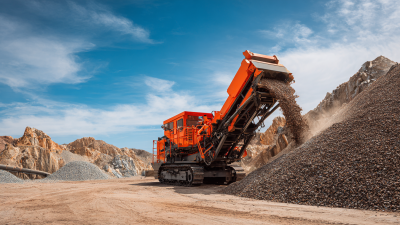
Mining Jaw Crushers are designed to break down large materials. They provide the necessary force to crush rock, ore, and other hard substances. Their design includes adjustable settings, which allow operators to control the size of the output material. These features enhance both productivity and efficiency, making them indispensable for mining operations. However, not all models are created equal. Some may lack durability or energy efficiency, leading to costly downtime.
Identifying the key features of Mining Jaw Crushers can help professionals make informed decisions. Factors such as size, power, and operational cost should be evaluated. The right choice can lead to significant gains in efficiency and output. Amidst the advancements, it's essential to remain critical and reflective about the selection process. Understanding machine limitations is just as important as recognizing their strengths.
Key Design Elements of Mining Jaw Crushers
When it comes to mining jaw crushers, key design elements determine their effectiveness. One critical feature is the crushing chamber design. A well-structured chamber allows for efficient material processing. It helps in maximizing throughput while ensuring optimal size reduction. The angle of the jaws also plays a vital role. It dictates the material's trajectory, influencing both speed and efficiency during crushing.
Another essential element is the material used for construction. High-quality steel often enhances durability. It minimizes wear and extends the lifespan of the equipment. However, there's a balance to maintain between toughness and weight. Overly heavy components can affect mobility.
Belt and pulley systems are equally important. They play a significant part in the operation. Reliable systems reduce downtime and improve overall productivity. Yet, regular maintenance is necessary. Neglecting this area can lead to unexpected breakdowns. These design elements together create a balance of performance and reliability in mining jaw crushers. They reflect a commitment to engineering precision while acknowledging the need for continuous improvement in design and operation.
Understanding the Crushing Mechanism in Jaw Crushers
Understanding the crushing mechanism in jaw crushers is essential for optimal performance.
Jaw crushers utilize a two-pronged approach. They have a fixed jaw and a moving jaw. When the moving jaw moves closer to the fixed jaw,
the material is crushed. The distance between the jaws affects the size of the output material.
Tips:
Always monitor jaw alignment.
Misalignment can lead to uneven wear and lower efficiency.
The crushing process is affected by several parameters. These include the speed of the moving jaw and the angle of the jaws.
Lowering the speed can decrease the size of the crushed material but may reduce throughput.
Adjusting the angle can optimize crushing force.
When operating jaw crushers, remember to check for wear on the jaws.
Worn jaws can lead to inefficient crushing and a higher operational cost.
Regular maintenance is key to maintaining efficiency and reliability.
Importance of Material Selection in Jaw Crusher Construction
Material selection in jaw crusher construction greatly influences performance and longevity. High-quality materials resist wear and distortion during operations. A study by the Mining Industry Report indicated that 25% of downtime in mining is due to equipment failure, which can often be traced back to subpar materials. Choosing robust steel alloys can enhance the crusher's resistance to impact and abrasion, directly affecting productivity.
The type of material impacts not only durability but also operational efficiency. For instance, manganese steel has proven effective in jaw crushers for its high work-hardening property. This material can increase jaw life by up to 50%. Still, overreliance on specific materials can be detrimental. Some operations may overlook alternative composites that offer lighter weight and better flexibility.
Determining the right balance between cost and performance is challenging. While premium materials come with a higher initial price, they lead to lower maintenance and replacement costs over time. Ignoring these considerations can lead to unexpected failures, resulting in costly repairs and extended downtimes. It is critical to analyze both short-term and long-term implications on the overall production process when selecting materials.
Impact of Jaw Crusher Size on Performance and Efficiency
Jaw crushers play a pivotal role in the mining industry, particularly due to their size and design. The size of a jaw crusher significantly impacts its performance and efficiency. Generally, larger jaw crushers can process more material at once, making them suitable for large-scale operations. A report from the International Journal of Mining Science indicated that increasing jaw width can enhance the crushing capacity significantly, sometimes by up to 30%.
However, the relationship isn’t linear. A larger size may lead to challenges in maintenance and transportability. Research indicates that efficiency can decrease if the equipment is too large for the volume of material processed. For example, a study highlighted that a mismatch in size could lead to over-exertion and wear, causing downtime. Factors like feed size, material type, and operating conditions must align with crusher dimensions to optimize performance.
Balancing size and efficiency is essential. Operators need a deep understanding of their specific applications. Analyzing performance metrics, such as throughput and energy consumption, can guide the selection of the right size. According to industry benchmarks, crushers must ideally operate within a narrow range of capacities to maintain efficiency while minimizing operational costs. Failure to address these aspects can lead to inefficiencies and increased wear on equipment.
Top Mining Jaw Crusher Features You Should Know? - Impact of Jaw Crusher Size on Performance and Efficiency
| Feature |
Description |
Impact on Performance |
Efficiency Rating (%) |
| Jaw Size |
Determines the maximum feed size that the crusher can accommodate. |
Larger jaws can handle larger rocks, which increases throughput. |
85 |
| Crushing Chamber Design |
Shape and configuration of the chamber affect the material movement. |
Optimized design leads to better material handling and efficiency. |
92 |
| Toggle Mechanism |
Determines how the jaw moves and crushes material. |
A well-designed mechanism enhances crushing effectiveness and reduces wear. |
90 |
| Material Quality |
Built from durable materials to prolong the lifespan of the crusher. |
High-quality materials reduce downtime and maintenance costs. |
95 |
| Hydraulic Adjustment |
Allows for quick and easy adjustments to the crusher settings. |
Increases uptime and operational flexibility. |
88 |
Maintenance Practices for Optimal Jaw Crusher Longevity
Proper maintenance of a jaw crusher is crucial for optimal longevity. Regular inspections are necessary to identify wear and tear. Check the wear plates and the toggle plate for signs of fatigue. If you notice excessive wear, it’s time for replacements. This could prevent costly breakdowns.
Lubrication plays a vital role in reducing friction between moving parts. Using the correct type and amount of lubricant can significantly extend the machine's life. However, over-lubrication can lead to grease buildup. This may hinder performance and create maintenance challenges. Monitoring grease levels regularly can help avoid this issue.
Cleaning is equally important. Dust and debris can accumulate and cause operational inefficiencies. Schedule routine cleaning to maintain optimal performance. It is also essential to inspect the jaw settings regularly. Incorrect settings can lead to uneven wear. Taking the time to adjust these settings can enhance efficiency. Always document your maintenance practices. This ensures a record for future reference, which can be beneficial in identifying recurring issues.