Leave Your Message

Top 10 Swing Jaw Crusher Plate Manufacturers to Buy From?

Choosing a Swing Jaw Crusher Plate is not a simple price comparison. It affects throughput, particle shape, maintenance intervals, and the safety of daily crushing operations. In a quarry, a poorly matched plate may show deep grooves after only a few shifts. That detail matters.

Market estimates show why this decision deserves closer attention. Grand View Research reports continued growth in the global crushing equipment market, supported by construction, mining, and infrastructure demand. Mordor Intelligence also identifies wear-part durability and equipment efficiency as important purchasing factors. However, these reports measure broader crushing equipment categories. They do not provide a perfect ranking of jaw plate manufacturers.

There is no universal best plate.

Dr. Tim Napier-Munn, a respected comminution specialist, has stated, “Good plant performance depends on matching equipment design, operating conditions, and feed characteristics.” This principle applies directly to Swing Jaw Crusher Plate selection. Manganese grade, tooth profile, thickness, feed size, moisture, and crusher settings all influence service life. A plate that performs well in hard granite may disappoint in abrasive recycled concrete.

This guide reviews ten manufacturers using practical criteria, including material quality, casting consistency, dimensional accuracy, technical support, delivery capability, and field reputation. It also considers published specifications and customer evidence, rather than relying only on marketing claims. Some comparisons remain imperfect because suppliers disclose different testing methods. That limitation should be acknowledged.

The right choice is measurable. Inspect wear patterns, record operating hours, and compare cost per crushed tonne before ordering again.
Top 10 Swing Jaw Crusher Plate Manufacturers to Buy From?

What Is a Swing Jaw Crusher Plate?

A swing jaw crusher plate is the replaceable wear surface fixed to the moving jaw. It works opposite the stationary jaw plate inside the crushing chamber. As the swing jaw moves forward, the plates compress rock until it breaks into smaller pieces. The plate’s profile controls feed grip, product size, and crushing pressure. Common designs use manganese steel because it hardens under repeated impact and compression.

In plant inspections, uneven wear often reveals operating problems. A rounded top section may indicate excessive feeding or unsuitable material size. Loose bolts, blocked discharge areas, or poor alignment can accelerate damage. The correct plate depends on rock hardness, moisture, feed size, and required output. There is no perfect profile for every site. That part is often underestimated. A reliable supplier should provide drawings, material details, fitting guidance, and clear wear limits. Operators should also compare actual service life, not only the purchase price.

Tips: Measure the old plate before ordering. Check tooth direction and mounting holes carefully. Keep oversized rocks out of the feed. Inspect cracks, loose fasteners, and uneven grooves during scheduled stops. If one side wears faster, review the feeder and jaw alignment before installing another plate. Small errors here can become expensive downtime.
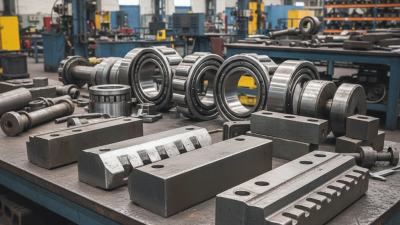
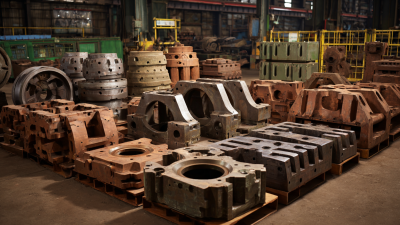
Top 10 Swing Jaw Crusher Plate Manufacturers to Buy From? — What Is a Swing Jaw Crusher Plate?

A swing jaw crusher plate is the replaceable wear component mounted on the moving jaw of a jaw crusher. It applies compressive force to rock and ore against the fixed jaw plate. The chart below compares common plate material categories by typical work-hardened hardness, a key factor affecting wear resistance.

How to read the chart: Higher work-hardened hardness generally indicates better resistance to abrasive wear, but actual performance also depends on feed size, rock abrasiveness, crusher settings, impact loading, plate profile, and correct installation. Hadfield manganese steel is widely used because it can become substantially harder during crushing.

How to Evaluate Swing Jaw Crusher Plate Manufacturers

How to Evaluate Swing Jaw Crusher Plate Manufacturers

Choosing a swing jaw crusher plate manufacturer requires more than comparing prices. The USGS Mineral Commodity Summaries 2024 reported about 1.5 billion metric tons of crushed stone production in the United States during 2023. That volume makes wear performance a direct operating concern. Ask manufacturers for verified data on plate life, manganese content, hardness, and failure rates. Request test certificates, not only sales brochures.

Review how each supplier controls material quality. A reliable manufacturer should provide heat numbers, chemical analysis, hardness maps, and dimensional inspection records. ISO’s 2022 Survey recorded more than 1.2 million ISO 9001 certificates worldwide. Certification helps, but it does not prove excellent crusher plates. Audit the production process when possible. Check casting repairs, heat treatment controls, and traceability from furnace to shipment.

Fit matters just as much as metallurgy. Compare tooth profiles, mounting holes, plate thickness, and the crusher’s operating conditions. Ask for references from similar rock, feed size, and reduction ratios. Measure the worn plate after service, if you can. Real site data beats optimistic estimates.

Do not ignore delivery reliability. Confirm mold availability, replacement-part lead times, packaging, and technical support. One missed shipment can stop a crushing circuit. A perfect checklist does not exist. I would still trial a small batch before approving larger orders, because laboratory hardness may not predict field wear.

Top 10 Swing Jaw Crusher Plate Manufacturers to Consider

Choosing among the top 10 swing jaw crusher plate manufacturers to consider requires more than comparing prices. A reliable supplier should explain its alloy selection, heat treatment, and casting process clearly. Ask for material test reports and dimensional inspection records. These documents show whether the plate matches the crusher’s operating demands.

Practical experience matters. Examine reference cases from quarries, recycling plants, and aggregate sites with similar feed sizes. A plate handling abrasive granite may not suit softer limestone conditions. Check tooth profile, mounting holes, weight, and expected wear pattern. Small dimensional errors can cause uneven contact and costly downtime.

Look for manufacturers with traceable production records and responsive technical support. They should discuss manganese steel grades, impact resistance, and safe installation procedures without vague promises. Delivery capacity also matters when a crusher supports daily production. A spare plate sitting in a warehouse is useful only if it fits correctly.

Do not ignore weaknesses. Some suppliers offer impressive certificates but provide limited field evidence. Others promise long wear life without explaining testing conditions. Ask difficult questions. Compare written warranties, inspection methods, and replacement policies before purchasing. A careful review may reveal that the cheapest quotation is not the most economical choice.

Top 10 Swing Jaw Crusher Plate Manufacturers to Buy From? - Top 10 Swing Jaw Crusher Plate Manufacturers to Consider
Rank Anonymous Manufacturer Profile Primary Production Region Common Jaw Crusher Size Range Standard Plate Materials Typical Tooth / Profile Options Maximum Typical Plate Weight Heat-Treatment Capability Quality Documentation Custom-Fit Support Typical Production Lead Time
1 Manufacturer Profile A East Asia Small to large primary jaw crushers Hadfield manganese steel; high-chrome options Standard, coarse, fine, and heavy-duty profiles Up to approximately 4,500 kg per plate Available
Solution treatment with controlled cooling
Heat-treatment records, chemical analysis, dimensional inspection Yes
CAD drawing and sample-based matching
Approximately 5–8 weeks
2 Manufacturer Profile B South Asia Compact to medium jaw crushers 18% manganese steel; alloyed manganese grades Quarry, recycling, and abrasive-rock profiles Up to approximately 2,000 kg per plate Available
Batch-controlled furnace treatment
Material certificate, hardness report, inspection checklist Yes
Replacement-part identification support
Approximately 4–7 weeks
3 Manufacturer Profile C Western Europe Medium to extra-large jaw crushers 18–22% manganese steel; titanium-enhanced grades Quarry, hard-rock, and high-impact profiles Up to approximately 6,000 kg per plate Available
Computer-monitored solution annealing
Traceability, dimensional report, chemical composition, hardness data Yes
Engineering review for OEM-equivalent fit
Approximately 7–12 weeks
4 Manufacturer Profile D North America Mobile and stationary jaw crushers Manganese steel; composite wear-resistant options Standard, corrugated, super-tooth, and recycling profiles Up to approximately 3,500 kg per plate Available
Controlled quench and tempering procedures
Inspection report, casting traceability, hardness verification Yes
Drawing, sample, or part-number matching
Approximately 6–10 weeks
5 Manufacturer Profile E East Asia Medium and large primary crushers 13–18% manganese steel; customized alloy grades Standard, deep-tooth, low-profile, and heavy-duty designs Up to approximately 5,000 kg per plate Available
Heat-treatment cycle recorded by batch
Mill certificate, chemical analysis, hardness and dimensional reports Yes
Pattern modification and reverse engineering
Approximately 5–9 weeks
6 Manufacturer Profile F Central Europe Small to large quarry and mining crushers High-manganese steel; martensitic alloy options Quarry, recycling, slag, and hard-rock profiles Up to approximately 3,000 kg per plate Available
Induction-assisted treatment for selected grades
EN-compatible inspection documentation and traceability Yes
Technical consultation for operating conditions
Approximately 6–11 weeks
7 Manufacturer Profile G South America Mobile, modular, and stationary jaw crushers Manganese steel; abrasion-focused alloy castings Standard, recycling, and abrasive-feed profiles Up to approximately 2,500 kg per plate Available
Solution treatment for manganese castings
Basic material certificate, inspection report, batch identification Yes
Fit verification from dimensions or photographs
Approximately 5–9 weeks
8 Manufacturer Profile H Eastern Europe Medium to large aggregate crushers 18% manganese steel; low-alloy wear steel options Coarse-tooth, fine-tooth, and reinforced profiles Up to approximately 3,800 kg per plate Available
Furnace-controlled treatment and hardness testing
Dimensional inspection, hardness report, casting batch record Yes
Custom hole locations and mounting geometry
Approximately 6–10 weeks
9 Manufacturer Profile I Oceania Quarry, mining, and recycling jaw crushers High-manganese steel; selected high-chrome inserts Heavy-duty, recycling, and low-feed-height profiles Up to approximately 4,000 kg per plate Available
Documented solution treatment and cooling control
Material traceability, hardness data, dimensional verification Yes
Application-based profile recommendations
Approximately 7–12 weeks
10 Manufacturer Profile J Southeast Asia Compact to large aggregate jaw crushers Manganese steel; alloy-enhanced wear-resistant grades Standard, quarry, hard-rock, and concrete-recycling profiles Up to approximately 2,800 kg per plate Available
Batch-based heat-treatment control
Certificate of conformity, chemical analysis, final inspection report Yes
Sample, drawing, or worn-plate replacement service
Approximately 4–8 weeks

Key Factors When Choosing a Reliable Manufacturer

When buying swing jaw crusher plates, the manufacturer matters as much as the steel grade. A reliable supplier should explain its material selection clearly. Common options include manganese steel and reinforced alloy designs. Ask for chemical composition, hardness results, and heat-treatment records. Independent laboratory reports add credibility. Vague promises are risky.

Production control deserves close attention. Ask how casting defects, plate thickness, and mounting holes are inspected. Request dimensional reports and batch traceability for every shipment. A dependable factory can review your crusher model, feed size, closed-side setting, and operating hours. These details affect wear life. Generic plates may fit. They may not perform. Site-specific recommendations show practical expertise, not just sales confidence.

After-sales support reveals a manufacturer’s reliability. Before ordering, discuss lead times, packaging, installation guidance, and written warranty terms. Ask whether engineers respond when unusual cracking or uneven wear appears. Speaking with existing users can expose delivery delays or inconsistent hardness. Their comments about wear life often matter more than polished brochures. Practical purchasing experience suggests that the lowest quotation may hide frequent replacements and downtime. Still, no manufacturer gets every detail right. Transparent answers about defects, testing, and corrective action deserve serious attention before a large purchase.

How to Compare Prices, Materials, and After-Sales Support

Top 10 Swing Jaw Crusher Plate Manufacturers to Buy From?

Comparing swing jaw crusher plate suppliers requires more than checking the lowest quotation. Request identical specifications, including plate weight, dimensions, tooth profile, delivery terms, and packaging. A reliable comparison separates casting costs, machining, freight, duties, and installation support. The cheapest offer may become expensive after repeated replacements. I once saw a low quote exclude heat treatment records and inland transport. That mistake delayed production for nearly two weeks.

Material choice directly affects service life. Ask whether the plate uses manganese steel, alloy steel, or another specified grade. Review chemical composition, hardness results, and heat treatment documentation. Match the material to feed size, abrasiveness, moisture, and crusher settings. A harder plate is not always better. Excessive hardness can increase cracking under heavy impact. Request sample inspection reports, casting photos, and dimensional tolerances. These details reveal manufacturing discipline better than polished sales language.

After-sales support should be measured before purchase. Check response times, replacement-part availability, installation guidance, and warranty procedures. Ask who analyzes premature wear and whether technical drawings are supplied. Good suppliers explain failure causes instead of blaming operating conditions immediately. Still, support promises can remain vague. Put response deadlines, inspection responsibilities, and remedy options into the purchase agreement. A short video call with an engineer can expose practical knowledge quickly. Test communication before placing a large order.