Top 10 Swing Jaw Plates For Jaw Crusher You Should Know?
In the world of jaw crushers, the choice of components significantly affects performance. One crucial component is the swing jaw plate. Swing jaw plates for jaw crushers play a vital role in the crushing process, impacting both efficiency and output quality. Understanding the different options available can be overwhelming, given the variety of materials and designs.
Selecting the right swing jaw plate requires careful consideration. The composition and wear resistance of the material are key factors. A high-quality swing jaw plate can substantially extend the operational life of the crusher. This, in turn, leads to reduced downtime and maintenance costs. However, many users often overlook the importance of these plates, leading to suboptimal performance.
It's essential to familiarize yourself with the top contenders in the market. Having a clear understanding of various swing jaw plates for jaw crushers can greatly enhance decision-making. While choices may seem straightforward, the right selection often proves more complex than anticipated. By examining top swing jaw plates, you can make an informed choice that aligns with your specific needs and ensures better results.
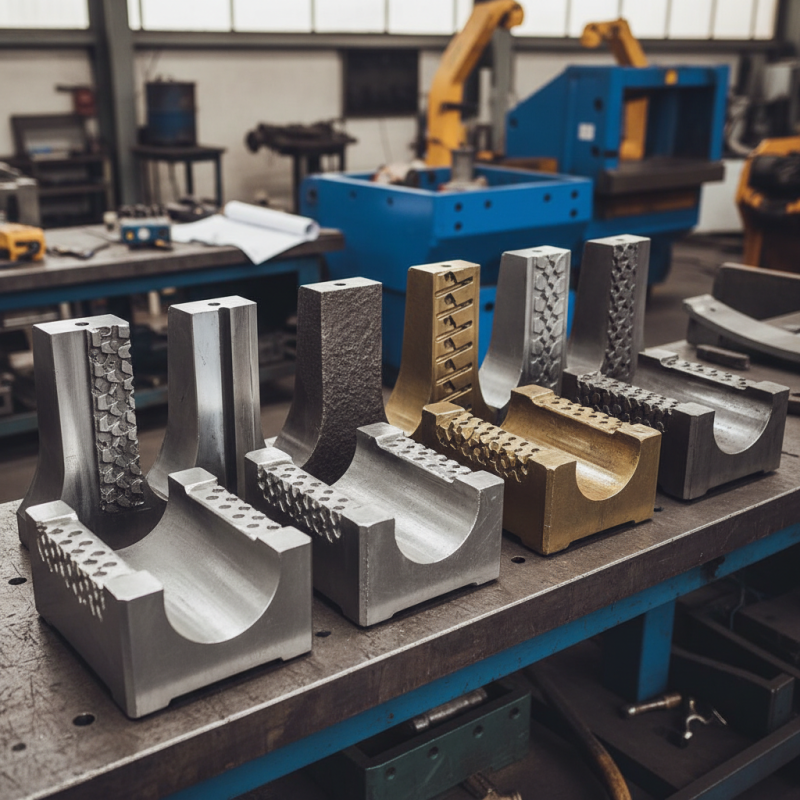
Overview of Swing Jaw Plates in Jaw Crushers
Swing jaw plates play a crucial role in the operation of jaw crushers. They are vital for crushing materials efficiently. The material choice directly impacts their durability and performance. High-carbon steel and manganese are commonly used for this purpose. According to industry reports, the wear rate of these plates can reach up to 30% during operation. This fact stresses the importance of selecting high-quality swing jaw plates.
The design of swing jaw plates also influences the effectiveness of the crushing process. A well-designed plate can increase the energy efficiency of a jaw crusher. Research indicates that optimizing the jaw geometry can improve throughput by 15–25%. However, misalignments or poor maintenance can lead to inconsistencies in the crushing cycle. Regular inspections are critical for ensuring optimal performance and longevity.
Finally, the need for precise measurements in manufacturing swing jaw plates cannot be overlooked. The tolerance levels must be strictly followed. Deviations can lead to breakdowns and costly repairs. Manufacturers often recommend using computerized methods for enhanced precision. Understanding these aspects is key for industries relying on jaw crushers.
Key Materials Used for Manufacturing Jaw Plates
In the realm of jaw crushers, the swing jaw plate plays a critical role. It is essential for crushing hard materials efficiently. The materials used to manufacture these plates significantly affect their performance and longevity. Common materials include manganese steel, which provides excellent wear resistance and toughness. High-carbon steel is another choice due to its strength, but it may lack flexibility.
Choosing the right material is crucial. Manganese steel ones are popular due to their ability to harden with impact. This feature extends the lifespan of the plate. However, not all applications require high manganese content. For some operations, a combination of different materials may offer a better balance of strength and ductility. Each operation has unique requirements. Carefully assess material selection based on expected wear and crush conditions.
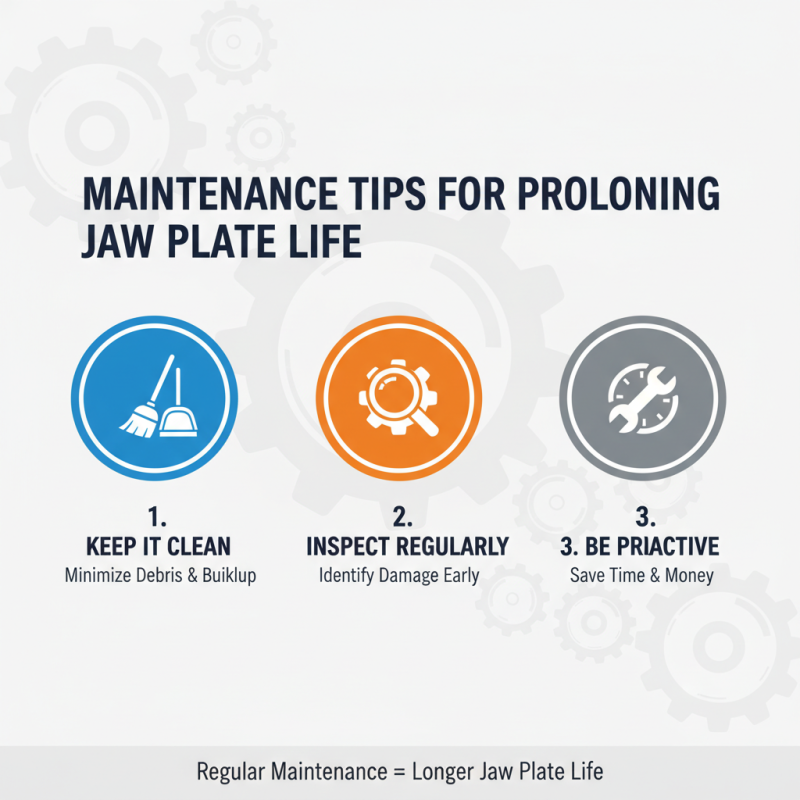
Tip: Regularly monitor the condition of jaw plates. Signs of excessive wear or cracks can indicate the need for replacement. Delaying this can lead to more significant equipment damage and downtime. Also, always consult with experts to determine the best material for your specific application. Understanding the materials can enhance efficiency and reduce costs over time.
Top Features to Look for in Swing Jaw Plates
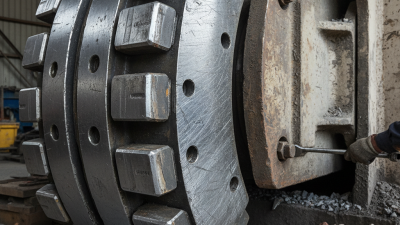
When selecting swing jaw plates for jaw crushers, several key features should be considered. Material composition plays a crucial role; high manganese steel is often preferred for its durability and wear resistance. Plates made from this material can withstand the extreme forces encountered in crushing operations. Look for plates that have been specially treated to enhance their lifespan and prevent premature failure.
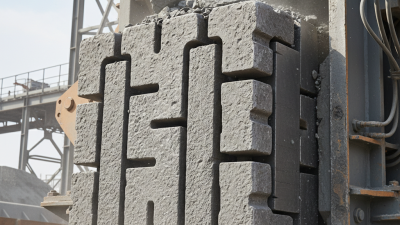
Another important factor is design. The shape and thickness of the swing jaw plate can significantly impact performance. A properly designed plate allows for optimal material flow, ensuring more efficient crushing. Additionally, features like reinforced edges and surface textures can improve grip and reduce slippage during operation.
While these elements are vital, it’s also essential to reflect on the shock absorbing capabilities of swing jaw plates. Some plates can absorb impacts better than others, contributing to longer service life. However, investing in higher-quality plates may require a larger budget. Weighing the cost against potential downtime due to plate failures can be a challenging task. Balancing performance, durability, and expense is crucial for making an informed decision in your purchasing process.
Comparison of Leading Brands for Jaw Plates
When evaluating swing jaw plates for jaw crushers, understanding the material composition and design is essential.
High-quality jaw plates can significantly enhance operational efficiency and reduce downtime. According to industry reports,
the right jaw plate can yield a wear life increase of 20%-30%, depending on the application and material being crushed.
Various types of materials, such as manganese steel, provide a balance between toughness and wear resistance.
Comparative studies highlight the impact of design on performance. Some swing jaw plates offer a unique tooth profile that allows for improved bite and material processing.
This feature aids in maintaining consistent production rates in high-demand environments.
Additionally, the hardness and surface treatment of the plates can affect their longevity and overall effectiveness. Research indicates that certain surface treatments can lead to a
15% increase in wear resistance, showcasing a tangible difference in operational costs over time.
In the competitive landscape, manufacturers are pushing the boundaries of design and material technology. However, not all top-rated plates yield the expected performance;
some may fail to meet specific application demands. It's vital for operators to assess their unique crushing setups, as improper choices can lead to inefficiencies and increased wear.
Regularly reviewing technical specifications and performance metrics can aid in making informed decisions.