Top 10 Tips for Buying Construction Machinery Wear Parts
When investing in construction machinery wear parts, making informed decisions is crucial. The right components ensure the longevity and efficiency of your machinery. Understanding the risks associated with subpar parts can save time and money in the long run.
Thousands of suppliers offer various wear parts, but not all are reliable. Some might promise quality but fail during operation. This inconsistency can lead to costly downtime. Therefore, it’s essential to approach your purchase with meticulous care.
Consider factors such as compatibility, material quality, and supplier reputation. Engaging with experts can provide valuable insights, helping you avoid common pitfalls. Your machinery deserves the best, and so does your investment. Quality construction machinery wear parts are key to maximizing efficiency and minimizing headaches.
Understanding the Importance of Quality Wear Parts in Construction Machinery
Quality wear parts play a crucial role in the efficiency and longevity of construction machinery. With an increasing number of machines operating in the field, the demand for reliable parts is soaring. According to a 2021 market report by MarketsandMarkets, the construction machinery parts market is projected to reach $45 billion by 2025. Such significant growth highlights the necessity for high-quality components to ensure optimal equipment performance.
Using substandard wear parts can lead to equipment failure, resulting in costly downtimes. The Construction Equipment Association found that downtime can cost contractors up to $1,500 per day. Selecting parts that meet specific industry standards is essential. Quality materials can withstand high levels of stress, reducing wear and tear over time. Reports indicate that using premium components can increase machinery life by up to 30%.
Investing in quality wear parts may seem expensive at first glance. However, the long-term benefits often outweigh the initial costs. It is essential to consider not only the price but also the durability and performance of the parts. Reflecting on past experiences can reveal common pitfalls that purchasers face. Educating yourself on material specifications and manufacturer reputation can lead to better purchasing decisions and enhanced productivity in construction projects.
Identifying the Right Specifications for Your Machinery Wear Parts
Choosing the right specifications for construction machinery wear parts can be overwhelming. Understanding the specific needs of your machinery is crucial. Start by identifying the model and make of your equipment. Each machine has its unique requirements. You should also consider the operating conditions. High-stress environments demand durable materials.
Material selection plays a significant role in performance and longevity. Look for parts made from high-quality steel or other advanced materials. Pay attention to the wear rating of each component. This rating helps you gauge how well a part will hold up under your operational demands. Some parts may need to be tailored for specific functions. Customization can often lead to better efficiency.
It's essential to consult with experts in the industry. Their insights can guide you in making informed decisions. Researching reliable suppliers is equally important. Even reputable suppliers can have inconsistencies in their products. When ordering, double-check the specifications against your equipment's manual. This step can save time and money. Don't underestimate the value of proper installation. A poorly installed part, regardless of its specs, can lead to premature failure.
Evaluating Supplier Reputation and Product Reliability for Wear Parts
When purchasing construction machinery wear parts, evaluating supplier reputation is crucial. A reliable supplier can save you time and money. According to a recent report from the Global Industry Analysts, nearly 35% of machinery downtime is attributed to poor-quality parts. Ensuring you partner with reputable suppliers can drastically reduce these issues.
To gauge a supplier's reliability, research customer reviews and case studies. Experienced users often share insights about product performance. Look for suppliers with a long history in the industry. Longevity often indicates stability and reliability. Industry data shows that suppliers with over a decade of experience tend to offer better quality assurance and after-sales support.
Product reliability should not be overlooked. Request performance data and test results for the parts you intend to buy. Many suppliers are willing to provide certifications that verify the quality of their wear parts. Yet, relying solely on certifications without understanding the context can lead to regrettable purchases. Always ask for references. Engaging with other customers can provide clarity. It’s easy to overlook supplier communication as a factor but responsive service is often a key indicator of overall quality.
Cost Considerations: Balancing Quality and Budget for Wear Parts
When purchasing construction machinery wear parts, balancing quality and budget is crucial. Many buyers tend to underestimate the long-term costs associated with cheaper options. Lower-priced parts may lead to frequent replacements and increased downtime for equipment. Investing in high-quality wear parts often results in better performance and extended equipment life. However, ensure you're not overpaying for features that don't add value to your specific needs.
It's essential to research and evaluate different suppliers. Compare materials, craftsmanship, and warranties. Verify the credibility of manufacturers and read reviews from previous customers. Vendors with established reputations may charge more, but their products are often more reliable. Sometimes, it’s tempting to go for the lowest price. This can backfire when the parts fail prematurely. Consider the total cost of ownership, including installation and replacement costs.
Be cautious when assuming all parts are the same. Each component plays a critical role in machinery efficiency. A poor choice can lead to operational failures. You might also want to assess the long-term relationship with suppliers. Building trust can lead to better pricing and support over time. Sometimes, investing more upfront can save money down the line.
Proper Maintenance Practices to Extend the Life of Wear Parts
Proper maintenance of construction machinery wear parts is crucial for longevity and performance. Regular inspections can identify wear and tear early. Reports indicate that 30% of machinery failures stem from insufficient maintenance practices. Engaging a systematic check every 500 hours of operation can significantly enhance component reliability.
Cleaning wear parts after use helps prevent debris accumulation, which can lead to faster degradation. In a recent study, machinery operators noted a 20% increase in lifespan when employing basic washing techniques. Proper storage also matters. Leaving parts exposed leads to rust and corrosion. A dedicated, clean storage space can mitigate this risk.
Finally, operators should be trained in using machinery correctly. Many issues arise from misuse rather than the quality of parts. Strive for a balance of proper use and regular upkeep. Engaging experts for training can be beneficial. It might seem an additional cost, but the investment pays off in fewer repairs and downtime. Regular maintenance forms the backbone of equipment efficiency.
Top 10 Tips for Buying Construction Machinery Wear Parts
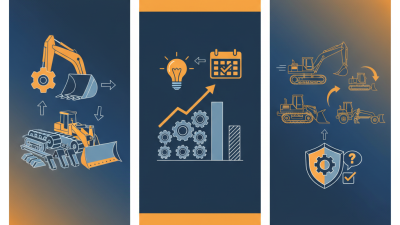
This chart represents the importance of various factors when purchasing wear parts for construction machinery, rated on a scale from 1 to 10. Prioritizing material quality and supplier reputation can significantly extend the life of wear parts.