What is the Working Principle of a Jaw Crusher?
In the world of mining and construction, understanding the mechanics behind jaw crushers is crucial. Dr. John Smith, an industry expert in crushing technologies, notes, "The efficiency of jaw crusher working defines the success of material processing." Jaw crushers are fundamental in reducing materials for further processing. Their operation revolves around compressive force, bridging the gap between large rock fragments and manageable sizes.
The jaw crusher's working principle involves two jaws, one stationary and one moving. As the moving jaw approaches the stationary one, it crushes the material lodged between them. This simplicity in design belies the importance of precise engineering. Smaller particles are produced as a result of this repeated crushing action. However, while their design seems straightforward, there are nuances to efficiency and maintenance that shouldn't be overlooked.
Many users underestimate the wear and tear that occurs during operation. Regular monitoring of parts ensures optimal performance. The jaw crusher working effectively relies on the right balance of force and material size. Without this balance, delays and inefficiencies can arise. Awareness and attention to detail are key to maximizing the lifespan and effectiveness of jaw crushers.
Overview of Jaw Crusher Mechanism and Design
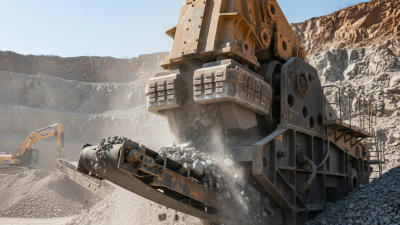
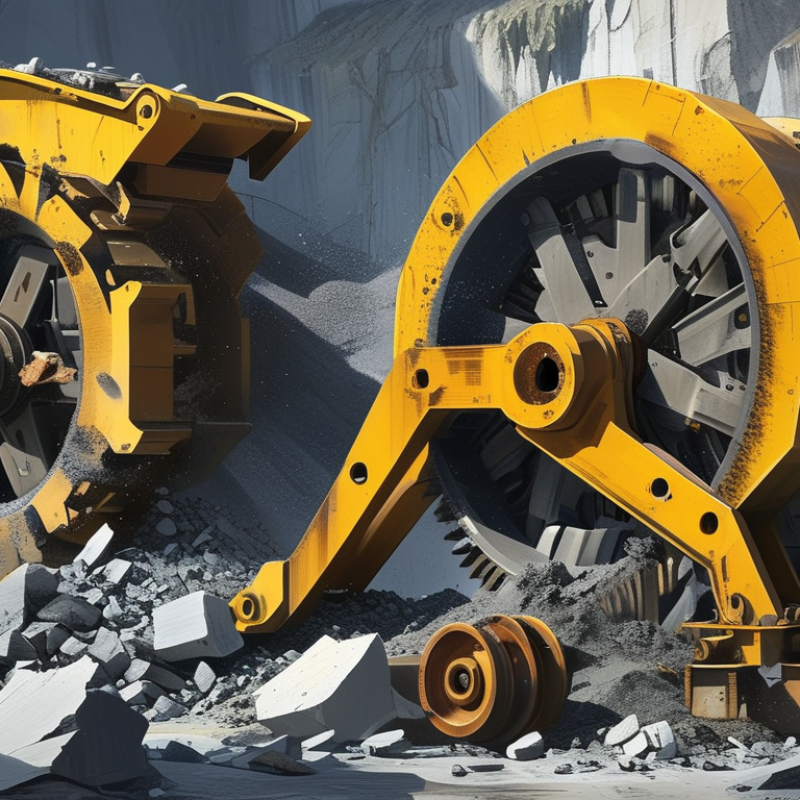
The jaw crusher operates on a straightforward principle: it crushes materials by using two plates. These plates, known as the jaw plates, move in a reciprocating motion. When the moving jaw moves down, it creates a space that allows materials to enter. As the moving jaw rises, it crushes the materials against the stationary jaw. This mechanism is efficient for breaking down hard materials like rocks and ores.
Tip: Regular maintenance is essential. Checking the wear of the jaw plates can extend the lifespan of the crusher. Worn plates may lead to ineffective crushing and decreased performance.
The design of the jaw crusher is critical for its functionality. The angle of the jaws determines the crushing action. A steeper angle results in a more aggressive push but may wear out the components faster. Additionally, the alignment of the moving and stationary jaws must be precise. Misalignment can cause uneven wear and operational issues.
Tip: Always monitor the output size of crushed materials. If it varies, there may be alignment or wear issues that need to be addressed. Regular checks can help maintain optimal performance and efficiency.
Key Components of a Jaw Crusher Explained
Jaw crushers are widely used in the mining and construction industries for their efficiency in breaking down hard materials. Understanding their key components is essential for grasping their working principle. The machine primarily consists of a fixed jaw and a movable jaw. These jaws crush the material through a compressive action. The gap between them determines the size of the final product.
The pivot point of the movable jaw is another crucial aspect. It allows the jaw to move in an arc, which enhances the crushing process. Additionally, the jaw crusher includes a frame, an eccentric shaft, and bearings. The frame holds the jaws securely in place while the eccentric shaft drives the motion. Proper lubrication of the bearings is necessary for smooth operation and to minimize wear.
Maintenance of these components is critical. Often, users overlook the importance of regular inspections. Worn jaws can significantly affect performance and efficiency. Operators should be aware that any signs of damage can lead to costly downtime. Neglecting these factors may impede the machine's functionality. Understanding these details can help users make more informed decisions regarding their equipment.
What is the Working Principle of a Jaw Crusher? - Key Components of a Jaw Crusher Explained
| Component |
Description |
Function |
| Jaw Plates |
Replaceable components that crush material by compression. |
Create a crushing zone to break down hard materials. |
| Toggle Plate |
A metal plate that connects the movable jaw to the main shaft. |
Facilitates motion of the jaw and aids in the crushing process. |
| Crushing Chamber |
The combined space created by stationary and moving jaws. |
Where the material is fed and crushed. |
| Motor |
Power source that drives the jaw crusher mechanism. |
Provides the necessary power to perform crushing actions. |
| Frame |
The structural base that holds all components together. |
Ensures stability during operation and supports the jaw assembly. |
| Side Liners |
Protective plates on the sides of the crushing chamber. |
Minimize wear and maintain consistent performance of the machine. |
Principle of Operation: How Jaw Crushers Crush Material
Jaw crushers are essential machines used in the mining and construction industries. They operate based on a simple, yet effective principle: compressing materials between two rigid surfaces. The machine features a movable jaw and a stationary jaw. As the movable jaw opens and closes, it crushes the material fed into the crushing chamber. This back-and-forth motion effectively reduces large rocks into smaller pieces.
The crushing process begins when the material enters the chamber. The heavy plates of the jaws crush the rocks through a mechanical force. The angle of the jaws allows for optimal crushing efficiency. Smaller, crushed materials exit through the bottom of the machine. This simple design enables a high production rate and efficient material handling. However, wear and tear can be significant and requires careful maintenance.
Tips: Regularly inspect wear plates and replace them promptly. This can help maintain efficiency and extend the machine's lifespan. Keep in mind that irregular feed sizes can cause uneven wear. Ensure consistent material size for better results. Regular maintenance checks will reveal any hidden issues before they become major problems. This proactive approach can save time and money in the long run.
Factors Affecting the Efficiency of a Jaw Crusher
The efficiency of a jaw crusher relies on various factors that influence its performance. One significant aspect is the material being processed. Different materials have varying hardness and abrasiveness, which can impact the crushing mechanism. Harder materials often lead to decreased efficiency and higher energy consumption. Additionally, the feed size of the material plays a crucial role. If the feed is too large, the crusher may struggle, leading to more wear and tear on components.
The design of the crusher itself is another critical factor. The angle of the jaws and the space between them can affect the crushing action. A narrow setting may result in more fine materials but can also lead to blockages. On the other hand, a wider setting may allow for larger output but could decrease the overall efficiency. Regular maintenance is essential, as worn-out parts can significantly impact performance.
Understanding these factors requires experience and expertise in the field. Improper operation can lead to inefficiencies and costly repairs. It's vital to monitor performance and make adjustments as necessary. A thoughtful approach to these elements can enhance the productivity of a jaw crusher significantly.
Applications of Jaw Crushers in Various Industries
Jaw crushers play a crucial role in multiple industries, primarily in mining and construction. These machines are essential for breaking down large rocks into smaller, manageable pieces. In the mining sector, for example, jaw crushers are often employed to crush ore before it undergoes further processing.
According to a report by Market Research Future, the global jaw crusher market is projected to grow at a CAGR of 5.5% from 2022 to 2028. This growth highlights their increasing demand in mineral processing operations.
Another area where jaw crushers are widely used is in recycling. They are effective for crushing construction waste. The recycled materials can then be reused in various projects, promoting sustainability.
The waste management industry has seen a significant rise in the use of jaw crushers, with some reports indicating an increase in efficiency by over 30%. Such efficiency improvements can reduce overall operational costs, addressing a major concern for companies.
However, while jaw crushers are effective, their limitations must be acknowledged. They tend to produce a relatively high amount of fines, which can be problematic in certain applications. Moreover, wear and tear on the machine can lead to increased maintenance costs.
Therefore, it’s vital for operators to monitor performance and make adjustments to maximize efficiency while minimizing downtime or additional expenses. Balancing performance with operational realities remains a challenge in the effective use of jaw crushers across industries.