Choosing the right Gyratory Crusher manufacturer can shape an entire mining or aggregate operation. Equipment selection affects throughput, energy use, maintenance access, and long-term plant reliability. In 2026, buyers face a crowded market of established brands, regional suppliers, and specialized engineering companies. Product brochures alone rarely reveal the full picture.
This guide examines leading Gyratory Crusher manufacturers and suppliers through practical purchasing criteria. These include crushing capacity, feed opening, eccentric speed, drive design, liner life, automation, and after-sales support. It also considers installation experience, spare-parts availability, service response, and documented performance in demanding environments. A crusher may look efficient on paper, yet perform differently under hard, wet, or abrasive feed conditions.
Reliable comparisons need more than rankings. They require verified technical data, customer references, plant observations, and clear warranty terms. Supplier transparency matters. So does the quality of local service teams, especially when an unexpected shutdown stops thousands of tonnes per hour. Not every published claim deserves equal confidence. Some specifications may depend on ore type, operating settings, or laboratory conditions.
The companies discussed here are evaluated with an evidence-focused approach. Their strengths, limitations, applications, and support capabilities receive equal attention. Readers should still confirm current models and certifications directly with manufacturers. Markets change quickly. A strong supplier today may not fit every project tomorrow. This guide aims to support careful decisions, not replace engineering studies or site-specific testing.
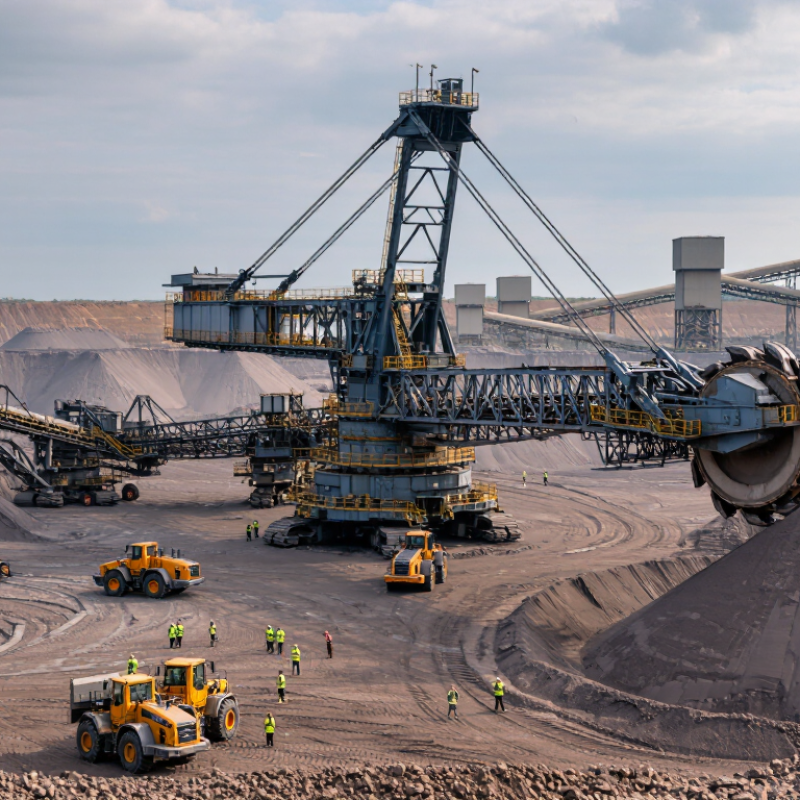
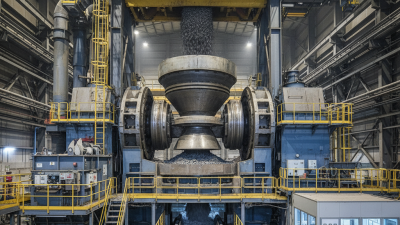
A gyratory crusher is a primary crushing machine used for hard, abrasive materials. It reduces large rocks into manageable pieces for further processing. Unlike a jaw crusher, it uses a fixed outer shell and a rotating, cone-shaped mantle. The crushing chamber is usually deeper, allowing continuous material flow.
The mantle moves in a slow, gyrating motion. It does not spin freely around its own axis. As the mantle approaches the concave surface, rock is compressed and fractured. When the gap widens, crushed material falls through the lower opening. This repeated action supports high capacity and steady operation. However, performance depends on feed size, moisture, liner condition, and correct settings. A simple explanation can hide these practical variables.
Tips: Keep feed reasonably consistent and remove oversized metal before it enters the chamber. Check vibration, oil temperature, and unusual noise during operation. Inspect liners regularly, because uneven wear can reduce product quality and increase energy use. Proper foundation design also matters; poor alignment may create avoidable stress. In my experience, operators sometimes focus only on output and overlook gradual wear. That is a mistake. Record daily measurements, compare trends, and adjust the crusher before small changes become costly failures.
Gyratory crushers serve as primary size-reduction equipment in large, continuous operations. They handle run-of-mine ore before grinding, screening, or downstream separation. The 2025 USGS Mineral Commodity Summaries reported about 2.5 billion metric tons of global iron ore production in 2024. Copper mine output reached approximately 22 million metric tons. These volumes explain the demand for machines that accept large feed and maintain stable throughput.
Application changes the selection. Iron ore plants often prioritize high capacity and abrasion resistance. Copper operations may need stronger control over product size and tramp protection. Quarry sites usually place greater emphasis on installation space, maintenance access, and seasonal production changes. Check the maximum feed size, expected moisture, bulk density, and material hardness first. Then compare closed-side setting, motor power, crushing ratio, and surge-bin design. A crusher rated for peak capacity may perform poorly with sticky ore.
Field experience also matters. Inspect mantle wear, lubrication systems, vibration limits, and foundation loads before purchase. The USGS data shows scale, but it does not predict every site’s behavior. A wet feed can reduce effective capacity. A small design assumption can become a costly shutdown. I have seen specifications focus heavily on tonnes per hour while ignoring maintenance routes and spare-part handling. That is an incomplete decision. Request test data using representative samples, not ideal laboratory material. Include lifecycle energy, liner consumption, downtime, and operator safety in the final comparison.
Leading Gyratory Crusher Manufacturers in 2026
Gyratory crusher manufacturers in 2026 are focusing on higher capacity, safer maintenance, and lower energy consumption. Leading suppliers usually offer equipment for large mining and aggregate operations. Their designs must handle hard, abrasive feed without unstable performance. Field experience matters here. A crusher can look impressive on paper yet struggle with inconsistent rock size.
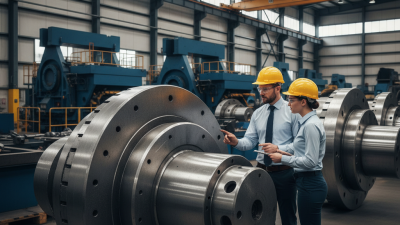
Reliable manufacturers provide detailed capacity data, chamber configurations, and installation requirements. They also explain how feed distribution affects wear and throughput. Strong technical teams support commissioning, inspection, and operator training. Remote monitoring is becoming more common, but it cannot replace an experienced technician beside the machine. That practical point is sometimes overlooked.
Maintenance access is another important difference between suppliers. Well-designed systems allow safer liner replacement, clearer inspection points, and faster hydraulic servicing. Buyers should examine spare-part availability, response times, and regional service coverage before signing a contract. Independent performance references are useful, although they do not guarantee identical results at every site. No ranking is perfect. Ore hardness, moisture, and feeding habits can change the outcome.
Manufacturers with transparent testing methods deserve closer attention. They should discuss expected wear rates instead of promising unrealistic service life. Certification, documented quality control, and verified production experience strengthen supplier credibility. Still, some specifications remain difficult to compare across manufacturers. A careful site survey and trial-based selection may reveal weaknesses that brochures never mention.
| Supplier Segment | Primary Product Focus | Typical Feed Size | Typical Capacity Range | Common Drive Configuration | Typical Applications | Key Purchasing Strength | Best-Fit Project Scale |
|---|---|---|---|---|---|---|---|
| Large-scale primary crusher OEM | Heavy-duty primary gyratory crushers for hard-rock mining | Up to approximately 1,500 mm, depending on model and chamber design | Approximately 1,500–8,000 t/h | Electric motor with mechanical transmission; variable-speed options may be available | Open-pit copper, iron ore, gold, nickel and polymetallic mines | Very high throughput | Large surface mines and centralized crushing plants |
| Mining and minerals processing supplier | Primary and secondary gyratory equipment with plant integration support | Approximately 500–1,300 mm | Approximately 800–5,000 t/h | Electric motor drive with hydraulic adjustment and overload protection | Hard rock, mineral processing, aggregate and bulk-material operations | Strong process integration | Medium-to-large processing facilities |
| Modular crushing-plant supplier | Pre-engineered gyratory crusher modules and complete primary stations | Approximately 600–1,200 mm | Approximately 600–3,500 t/h | Electric drive with skid-mounted or semi-mobile support structures | Quarries, mine development projects and remote sites | Faster project deployment | Projects requiring modular installation or phased expansion |
| Custom engineering supplier | Application-specific crusher sizing, chamber design and plant engineering | Project-specific; commonly 700–1,400 mm | Approximately 1,000–6,000 t/h | Electric motor drive, often coordinated with conveyor and control systems | Complex ore bodies, variable feed conditions and high-abrasion applications | High customization | Large projects with specialized material-handling requirements |
| Regional quarry equipment supplier | Smaller primary gyratory and compact high-capacity crushing systems | Approximately 300–900 mm | Approximately 300–1,800 t/h | Electric motor drive with conventional lubrication and protection systems | Limestone, granite, basalt and other construction aggregates | Competitive installation cost | Medium-sized quarries and aggregate producers |
| Aftermarket and service specialist | Replacement mantles, concaves, eccentric components, bearings and maintenance services | Compatible with existing crusher sizes and chamber configurations | Service capacity depends on the host crusher and plant design | Supports existing electric and hydraulic systems | Life-extension programs, shutdown maintenance and component upgrades | Reduced downtime | Operating plants seeking parts availability and maintenance support |
| Mobile and semi-mobile crushing supplier | Relocatable primary gyratory systems and in-pit crushing solutions | Approximately 500–1,100 mm | Approximately 800–4,000 t/h | Electric drive with mobile, semi-mobile or in-pit conveying arrangement | In-pit mining, overburden removal and temporary production areas | Operational flexibility | Mining sites where haulage distance or pit layout changes over time |
| Turnkey plant contractor | Complete crushing, screening, conveying, dust-control and automation packages | Selected according to feed characteristics and required plant capacity | Approximately 500–8,000 t/h across project configurations | Integrated electrical, hydraulic, automation and condition-monitoring systems | Greenfield mines, major quarry developments and infrastructure projects | Single-point project responsibility | Large EPC, EPCM and multi-stage processing projects |
Note: Capacity and feed-size figures are typical industry ranges and vary according to crusher geometry, chamber profile, ore hardness, bulk density, moisture, closed-side setting, operational conditions and plant layout. Company and brand names are intentionally omitted.
Choosing a gyratory crusher supplier in 2026 requires more than comparing machine capacity. Service capability often determines long-term production results. Experienced suppliers should provide site surveys, foundation checks, installation guidance, and commissioning support. Their engineers must understand ore hardness, feed size, moisture, and expected throughput. These details affect mantle wear, discharge settings, vibration, and energy use.
A dependable supplier should keep critical parts available, including mantles, concaves, bushings, and lubrication components. Clear delivery times matter during an unplanned shutdown. Remote diagnostics can help, but field technicians remain essential for severe vibration or unusual noise. Practical training should cover inspection routines, lockout procedures, lubrication checks, and safe adjustment of the closed-side setting. No supplier gets every prediction right. Honest reporting and fast correction build stronger trust.
Tips: Ask for a written service schedule, emergency response times, spare-parts planning, and technician qualifications. Request maintenance records from similar applications, not only laboratory results. Check whether training includes real operating data and hands-on inspections. Also, review warranty conditions carefully. A low purchase price may hide expensive delays, weak local support, or limited parts access. Suppliers with reliable communication, measurable service standards, and regional support usually offer greater operating confidence.
The chart presents generalized throughput bands commonly associated with primary gyratory crushing applications. When evaluating suppliers, buyers should also compare engineering support, installation supervision, commissioning, spare-parts availability, maintenance training, digital monitoring, and field-service coverage. The figures are non-branded reference ranges rather than company-specific performance claims.
Market Trends and Future Developments in Gyratory Crushing
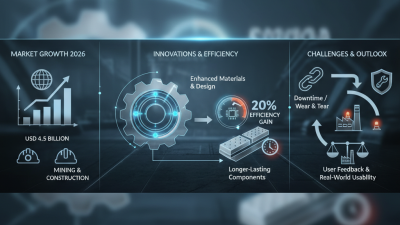
Gyratory crushing is moving toward smarter, lower-energy operation. Mines are adding sensors that track vibration, temperature, lubrication, and shell wear in real time. These measurements help maintenance teams detect abnormal patterns before a shutdown becomes unavoidable. Still, sensor data can mislead when calibration is poor or dust covers the equipment. Human inspection remains necessary.
Energy efficiency is becoming a purchasing priority. New designs are targeting reduced idle power, improved crushing chambers, and better control of feed rates. Variable-speed drives may help plants respond to changing ore hardness. Electrification is also influencing crusher selection, especially where mines face strict carbon targets. However, lower energy use depends on the complete circuit, not the crusher alone.
Future developments will likely combine automation with more adaptable chamber designs. Digital twins could test operating changes before technicians adjust a live machine. Remote monitoring may support smaller maintenance teams across isolated sites. Recycled steel, longer-wearing components, and repairable assemblies are gaining attention as lifecycle costs rise. These improvements sound practical, but field performance still varies with ore moisture, feed size, and operator discipline. A machine can be technically advanced and poorly integrated. That gap deserves closer attention from manufacturers, suppliers, and mine engineers.