How to Choose the Right Type of Jaw Crusher for Your Needs?
Choosing the right type of jaw crusher is crucial for efficient operations. Not all crushers are created equal. Each type serves specific needs in various industries. When selecting a jaw crusher, consider key factors like materials processed and desired output size.
Several types of jaw crushers exist. For example, the single-toggle jaw crusher is widely popular for its simple design. It is efficient for hard and abrasive materials. On the other hand, the double-toggle model is suitable for larger stones. It offers better control and higher throughput.
However, picking the right type of jaw crusher can be challenging. Mistakes in selection may lead to operational inefficiencies. Understanding your unique requirements is vital. Assess your goals carefully. This will ensure you choose the most appropriate type of jaw crusher for your specific needs.
Understanding Jaw Crusher Types: A Comprehensive Overview
When selecting a jaw crusher, understanding the various types available is crucial to meeting your operational needs. Jaw crushers typically fall into two categories: single-toggle and double-toggle designs. A single-toggle jaw crusher is well-suited for primary crushing, offering a simple and effective operation. In contrast, double-toggle models provide higher crushing efficiency and are suitable for tougher materials.
Research indicates that the global jaw crusher market is expected to grow at a CAGR of 5.4% from 2021 to 2028, driven by the rise in mining activities and construction projects. A report by Mordor Intelligence reveals that the demand for aggregate in construction is a key factor. Selecting the right type enhances productivity and reduces downtime, directly impacting your bottom line.
Tips: Assess your material characteristics before making a purchase. Consider factors such as hardness, moisture content, and size. Additionally, evaluate the throughput and desired product size, as these can guide you towards the most efficient model for your operation. In a landscape with diverse needs, remaining flexible in your approach can lead to improved results. Small adjustments can yield significant returns on investment.
Key Factors to Consider When Selecting a Jaw Crusher Model
Choosing the right type of jaw crusher is crucial for your operations. It's not a one-size-fits-all solution. Consider the size of your material. Lighter materials often require a different type of crusher than heavier ones. The size of the jaw plate can also impact the final product's size and quality.
Another key factor is the feed opening size. A larger opening allows for bigger chunks of material. However, this may lead to inefficiency if your material is small. Think about the production requirements too. If you need a high output, the crusher must be capable of handling that volume without frequent breakdowns.
Maintenance is often overlooked. Complexity can lead to more downtime and higher costs. It's essential to weigh ease of maintenance against performance. Sometimes, a simpler machine might serve your needs better than a complex one. Reflecting on these aspects can help you make an informed decision.
Comparative Analysis of Single Toggle vs. Double Toggle Jaw Crushers
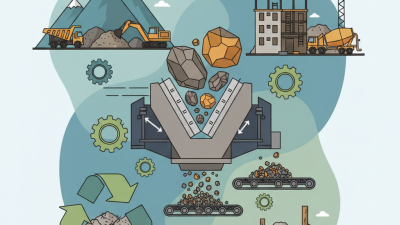
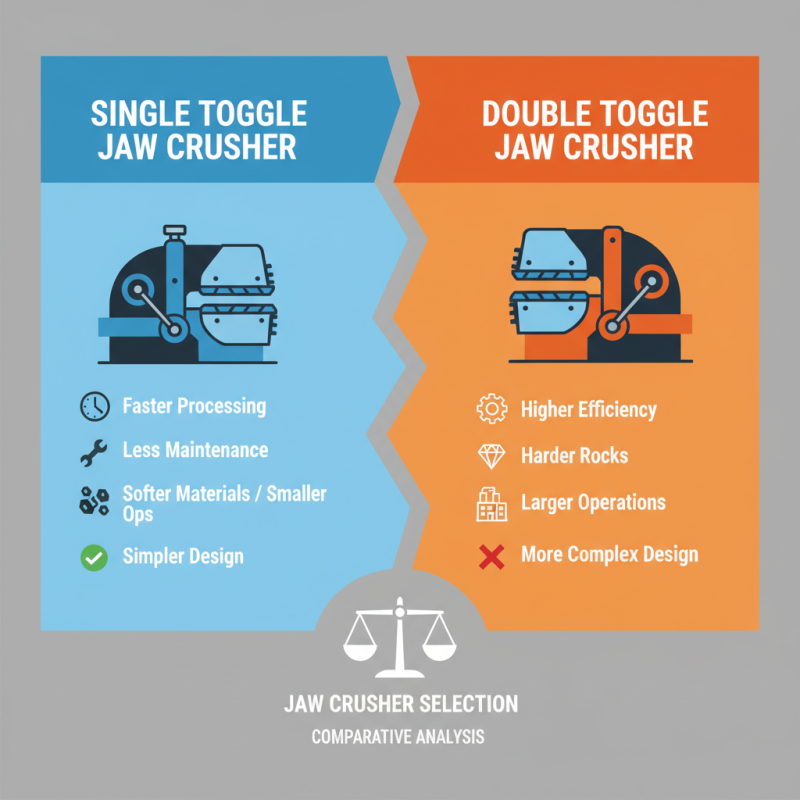
When selecting a jaw crusher, users often face a significant choice between single toggle and double toggle types. Single toggle crushers are simpler. They utilize a single swinging jaw for crushing operations. This design allows for faster processing and requires less maintenance. They are suitable for softer materials and are often seen in smaller operations. However, they can be less efficient with harder rocks.
Double toggle crushers, on the other hand, offer distinct advantages. Their design incorporates two swinging jaws, creating a deeper crushing chamber. This facilitates the handling of tougher materials and delivers a finer output. They are usually more robust, making them ideal for larger projects. Yet, they come with increased operational complexity, which may lead to a higher maintenance burden. Users must weigh these factors against their specific needs for material size, hardness, and production volume.
Choosing the right stone crusher requires careful consideration of these traits. Think about the materials you'll process. Are they soft or hard? The decision impacts not just efficiency but also overall productivity. It's pivotal to assess how often you will need maintenance and downtime as well. Each type has its pros and cons worth reflecting on before making that investment.
Assessing Material Characteristics for Optimal Jaw Crusher Selection
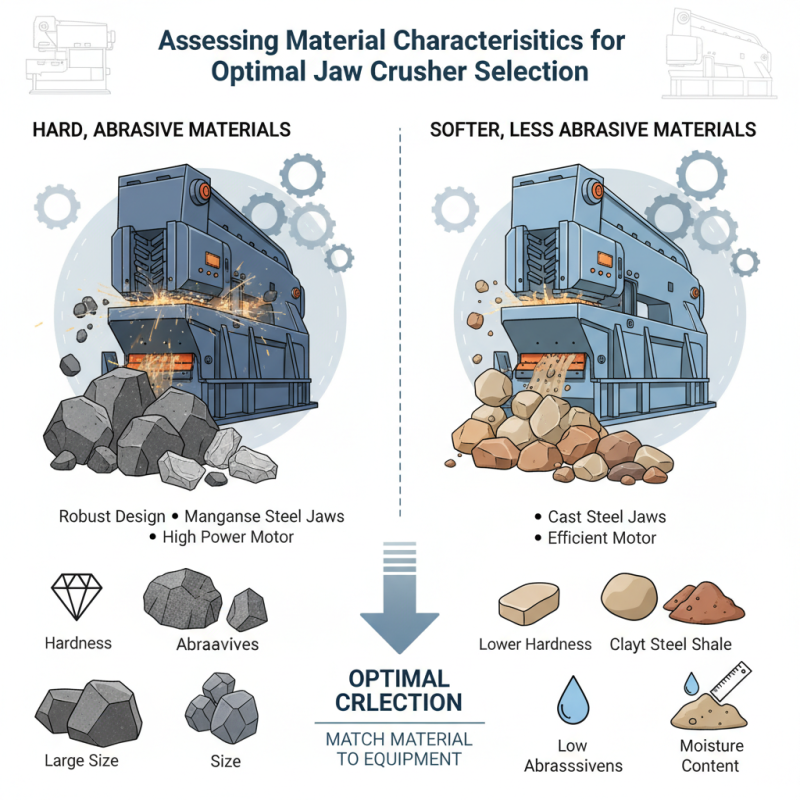
When selecting a jaw crusher, understanding material characteristics is crucial. The type of material directly influences the choice of crusher. Hard, abrasive materials may require a more robust design, while softer materials can work well with lighter options. Evaluate the hardness, size, and moisture content of the material. These factors help in determining the right equipment.
Consider the feed size, too. If your material is too large, it may not fit into the crusher properly. This can lead to inefficiencies and increased wear on the machine. Also, think about the desired output size. Different crush sizes can impact the entire operation. Remember that choosing a jaw crusher is not always straightforward. It requires careful consideration of multiple factors.
Reflecting on past experience with material composition can guide your selection. Not every machine will deliver optimal results for every type of material. There is often a need to adjust operations based on observed performance. Understanding these nuances can enhance efficiency and save costs in the long run.
Evaluating Performance Metrics: Throughput, Size Reduction, and Energy Efficiency
When selecting a jaw crusher, performance metrics play a crucial role. Understanding throughput, size reduction, and energy efficiency can help make informed choices. According to industry reports, a jaw crusher with a higher throughput can process more material in less time. For instance, a typical jaw crusher operates at 300-700 tons per hour. However, the ideal throughput can be influenced by material hardness and desired output size.
Size reduction is another vital metric. Efficient jaw crushers can achieve reduction ratios of 6:1 to 8:1. A larger reduction ratio means fewer processing stages, saving time and resources. However, achieving this efficiency depends on the correct settings and material characteristics. Inconsistent material can lead to unexpected wear and tear, necessitating regular maintenance and adjustments.
Energy efficiency is paramount. Reports indicate that more energy-efficient models can save up to 30% in operational costs. Lower energy consumption directly impacts profitability. Yet, it requires a careful analysis of the operational environment. A balance between size reduction and energy use must be struck. Overly aggressive settings can lead to increased wear, while underperformance can affect overall productivity. Reflections on these metrics are essential for selecting the right jaw crusher for specific applications.
How to Choose the Right Type of Jaw Crusher for Your Needs? - Evaluating Performance Metrics: Throughput, Size Reduction, and Energy Efficiency
| Jaw Crusher Type |
Throughput (ton/hour) |
Size Reduction Ratio |
Energy Efficiency (kW/ton) |
Ideal Applications |
| Single Toggle Jaw Crusher |
50-200 |
7:1 |
0.5-1.5 |
Stone, Gravel, Concrete |
| Double Toggle Jaw Crusher |
100-300 |
5:1 |
0.4-1.2 |
Mining, Metallurgy, Recycling |
| Vertical Jaw Crusher |
30-150 |
8:1 |
0.6-1.4 |
Quarries, Hard Rock Crushing |
| Compact Jaw Crusher |
25-75 |
10:1 |
0.8-1.6 |
Construction Sites, Small Operations |