The jaw crusher is a cornerstone in the construction and mining industries, known for its ability to crush large materials efficiently. Recent reports from the National Stone, Sand & Gravel Association indicate that the demand for crushed stone is projected to reach 1.8 billion tons by 2025. As the industry grows, understanding the fundamentals of jaw crusher working becomes critical for operators and engineers alike.
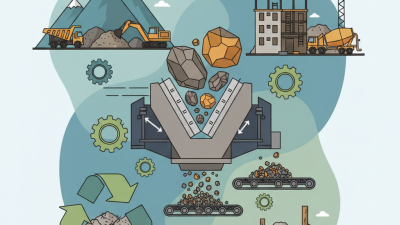
Jaw crushers operate on a simple yet effective principle—a fixed jaw and a moving jaw create a V-shaped cavity where rocks are crushed. Important metrics like reduction ratio and throughput capacity play a vital role in the overall performance of these machines. However, many operators overlook the significance of maintenance schedules and component wear, which can lead to inefficiencies and operational failures.
Mastering the jaw crusher working principles is vital for maximizing productivity. Insights into different configurations and their specific applications can lead to better material handling and improved outcomes. Unfortunately, there are still common misconceptions about jaw crushers that can hinder performance. Continuous learning and adapting to the latest technologies are essential for success in this evolving field.
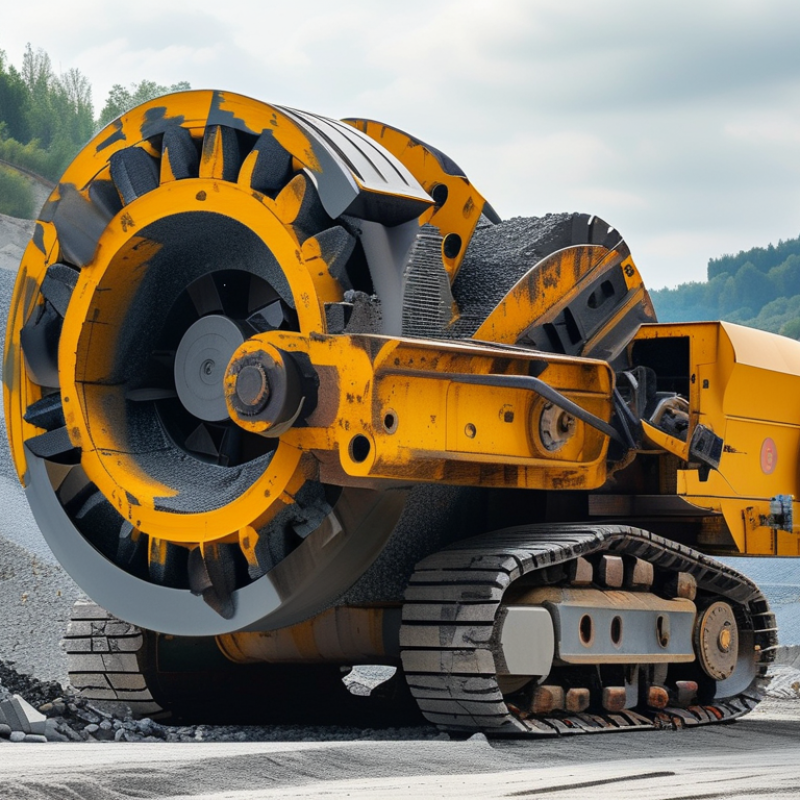
Jaw crushers are fundamental in the world of mining and construction. These machines break down rocks through compression. They consist of two jaw plates: a stationary one and a moving one. As the moving jaw moves back and forth, it crushes material between the plates. This process is vital for reducing large rocks into manageable sizes for further processing.
The design of jaw crushers ensures efficiency. The angle of the jaw's movement is crucial. A steeper angle can increase the crushing force but may also heighten wear on the metals. Finding a balance requires experience. Additionally, the size of the opening between the jaws can vary. A wider opening accommodates larger rocks but reduces overall efficiency. Monitoring wear on the jaw plates is necessary for maintaining optimum performance.
Operating a jaw crusher comes with challenges. Misalignment can cause uneven wear, leading to decreased lifespan. Regular maintenance is essential to avoid unexpected breakdowns. Operators must be vigilant about checking the machine's hydraulics and lubrication systems. Understanding these nuances in jaw crusher mechanics is crucial for better reliability and performance in demanding environments.
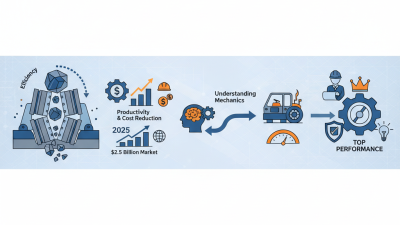
The jaw crusher is a vital piece of equipment in the mining and construction industries. Understanding its key components is crucial for effective operation. The main parts include the jaw plates, frame, and eccentric shaft. Each plays a specific role in the crushing process, which helps ensure that raw materials are reduced to the desired size.
Jaw plates are essential as they directly interact with the material being crushed. They must be durable to withstand heavy wear. The frame supports the entire structure, providing stability during operation. The eccentric shaft controls the movement of the jaw plates, enabling a powerful crushing action. Proper maintenance and understanding of these components can prevent unexpected failures.
Many users overlook minor issues, such as misalignment in the jaw plates. This can lead to uneven wear and reduced efficiency. Regular inspections can detect these problems early. It's easy to assume everything is functioning well, but diligence pays off in the long run. Regular checks can save time and prevent costly breakdowns in the future.
Understanding the crushing cycle of a jaw crusher reveals crucial insights into its operation. The process begins with the movement of the jaw plates. When the jaws come together, the feed material is crushed. This creates a downward force, allowing the crushed material to exit through a discharge opening. The cyclical motion ensures continuous operation, enhancing efficiency in breaking down materials.
One must consider the impact of various factors on this cycle. The size and hardness of the material play a significant role. If the material is too large, it can cause blockages. Likewise, if the jaws are improperly aligned, efficiency drops. It’s essential to regularly inspect these components. Wear can lead to reduced performance and costly downtime.
Monitoring the entire crushing cycle helps optimize the process. Observing how the jaws operate allows for timely adjustments. Doing so can prevent unnecessary wear and improve output quality. A sound understanding of these principles fosters better maintenance and operation practices in various industries.
Jaw crushers are essential machines in the mining and construction industries. They come in various types, each with unique working principles. The two primary categories are single-toggle and double-toggle jaw crushers. Single-toggle machines have a fixed jaw and a moving jaw that creates a V shape. This design allows for a simple motion, resulting in less wear on the machine and higher efficiency. According to industry reports, single-toggle designs account for nearly 70% of the market. They are favored for their simplicity and high throughput.
On the other hand, double-toggle jaw crushers involve two jaws, designed for more complex motion. This results in a deeper crushing chamber. It uses a crank and toggle mechanism, providing a higher crushing force. However, this mechanism can lead to increased wear and maintenance. Studies show that while double-toggle models are less common, they tend to perform better with harder materials or larger feed sizes.
Despite the advantages, challenges exist. The maintenance and operational costs for both types can rise significantly with heavy usage. Some operators note that adjusting settings for optimal performance can be time-consuming. Understanding these nuances helps in selecting the right equipment that meets specific operational needs.
| Type of Jaw Crusher | Working Principle | Applications | Advantages | Disadvantages |
|---|---|---|---|---|
| Single Toggle Jaw Crusher | Utilizes one movable jaw and one stationary jaw to crush materials. | Mining, quarrying, and recycling. | Simple design, easy to operate. | Limited capacity, unsuited for hard or abrasive materials. |
| Double Toggle Jaw Crusher | Employs two toggles to move the jaw, offering a more robust design. | Primary and secondary crushing of medium to hard rocks. | Higher capacity and deeper crushing chamber. | More expensive, complex design. |
| Complex Swing Jaw Crusher | Movable jaw follows a complex path to improve crushing efficiency. | Quarrying and industrial applications. | Better crushing efficiency at high speeds. | More difficult to manufacture and maintain. |
| Reduced Size Jaw Crusher | Designed for small scale operations with reduced size and capacity. | Laboratories, small mines. | Compact and portable, low cost. | Limited production capacity. |
| Portable Jaw Crusher | Can be moved easily, designed for field use. | Construction sites, demolition. | High mobility and flexibility. | Lower throughput compared to stationary crushers. |
| Hydraulic Jaw Crusher | Uses hydraulic pressure to crush materials. | Heavy-duty applications, mining. | Enhanced safety, controlled operation. | Requires hydraulic systems, higher maintenance. |
| Smart Jaw Crusher | Integrates smart technology for real-time monitoring. | Automation in mining and processing. | Improved efficiency and data tracking. | Higher upfront cost, technological dependency. |
| Electric Jaw Crusher | Powered by electric motors for consistent performance. | Recycling, aggregate processing. | Energy efficient, lower operating costs. | Limitations in remote areas without electricity. |
| Rock Crusher Jaw | Specially designed for crushing rocks and ores. | Mining, mineral processing. | Highly durable, effective for hard materials. | More expensive to maintain. |
| Fixed Jaw Crusher | Designed for stationary installations with fixed components. | Quarrying and larger scale operations. | High production efficiency, stable operation. | Less flexible, difficult to relocate. |
The efficiency of jaw crushers is influenced by several key factors. Material hardness, size, and moisture content are critical. Harder materials require more energy and may cause excessive wear. According to industry reports, up to 30% of operational costs can stem from inefficient crushing processes. This highlights the importance of selecting the right feed material.
Another crucial factor is the setting of the crusher itself. A tighter setting can produce finer material but may reduce throughput. Conversely, a wider setting can increase production but often at the expense of product quality. Finding this balance requires careful monitoring and adjustment. Regular maintenance practices are vital. Failing to keep the equipment in good condition can lead to a significant drop in performance.
Evaluating the operating environment plays a significant role too. For instance, temperature and humidity can affect the mechanical properties of the material being crushed. In peak operations, crushing downtime can decrease overall productivity. Operating with lower efficiency can increase energy consumption by up to 20%.
Monitor your settings closely. Adjust based on the material type. Immediate feedback is essential for optimizing jaw crusher operations. Keep the equipment clean to improve performance. Regular inspections can prevent costly disruptions. Understanding these dynamics can lead to better performance and higher efficiency in jaw crusher operations.