Why Choose the Right Cone Crusher Bowl?
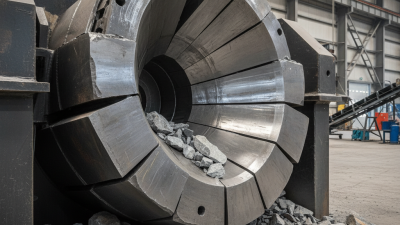
A Cone Crusher Bowl is not merely a replaceable steel component. It controls chamber geometry, feed distribution, crushing force, and product shape. When the bowl profile matches the feed, the crusher can maintain a steadier closed-side setting. That stability may improve throughput and reduce unnecessary recirculation.
The scale is significant. The U.S. Geological Survey reported approximately 1.5 billion metric tons of crushed stone produced in the United States during 2023. Even a small efficiency loss can become costly across thousands of operating hours. Metso’s 2024 Aggregates industry materials also emphasize liner selection, chamber design, and operating conditions as connected performance factors. The lesson is practical. A bowl that works well in abrasive granite may perform poorly in wet, sticky limestone.
Barry A. Wills, a recognized mineral-processing author and expert, wrote that “comminution is the most energy-intensive operation in mineral processing.” His observation explains why liner decisions deserve careful engineering, not guesswork. A worn bowl can create uneven crushing, higher power draw, and oversized material. Sometimes, the visible problem is not the real problem. Feed segregation, moisture, or an incorrect setting may be involved.
Choosing the right Cone Crusher Bowl requires more than comparing purchase prices. Consider feed size, rock abrasiveness, desired product grading, crusher speed, and operating pressure. Track liner wear with measurements, photographs, and production records. Review the evidence.
Small details matter. A few millimeters of wear can change the crushing chamber. The cheapest bowl may become the expensive choice.
Why Choose the Right Cone Crusher Bowl?
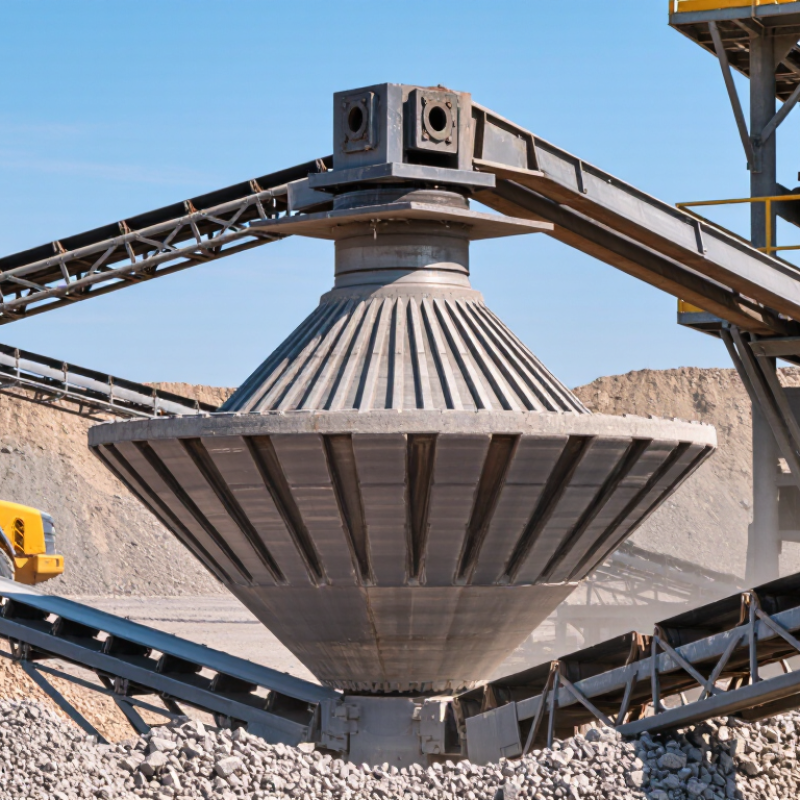
A cone crusher bowl profile should match the material entering the chamber. Feed size is the practical starting point. Measure the real feed, not only the equipment’s stated maximum. Oversized rocks can bridge the opening and create uneven liner wear. A deeper profile may accept larger feed more comfortably. A shallower profile often supports finer crushing.
CSS, or closed-side setting, defines the required product size. A tight CSS increases crushing pressure and usually demands stable, well-graded feed. The bowl profile must keep the crushing chamber properly filled at that setting. If the profile is too deep, fine material may circulate unnecessarily. If it is too shallow, coarse rock can overload the upper chamber. Small adjustments matter.
Reduction ratio also guides the choice. For a 2:1 ratio, a balanced profile can support steady production without excessive compression. A 3:1 ratio usually needs stronger chamber engagement and closer attention to feed distribution. Field checks should include liner wear, power draw, product grading, and actual CSS. I have seen a technically suitable profile perform poorly when the feed became wetter or less consistent. That is an important weakness in many selection calculations. The “best” bowl is not fixed forever. It should be reviewed as the quarry face, feed gradation, and production target change.
Bowl profiles should be matched to the expected feed size, closed-side setting (CSS), and target reduction ratio. The chart below shows indicative operating ranges for coarse, medium, fine, and extra-fine profiles.
CSS is the smallest discharge opening measured during operation. Feed-size limits, CSS ranges, and reduction ratios vary by crusher model, chamber design, material hardness, and operating conditions. Always confirm final settings with the equipment specifications.
Why Choose the Right Cone Crusher Bowl?
Match Bowl Geometry to Product Gradation and Capacity in t/h
Bowl geometry directly affects the product curve, circulating load, and achievable tonnes per hour. A coarse bowl usually accepts larger feed and supports higher capacity. A fine bowl creates more compression and tighter product control, but it may reduce open throughput.
The USGS Mineral Commodity Summaries 2024 reported approximately 1.5 billion metric tons of crushed stone produced in the United States during 2023. At this scale, small liner decisions can create major production differences. For a plant targeting 300 t/h, an eight-hour shift represents 2,400 tonnes. A five percent capacity loss means 120 tonnes less material each day.
Start with the required gradation. If the specification calls for 10–25 mm aggregate, select a chamber that supports the target closed-side setting without excessive recirculation. A tighter bowl may improve shape and fines control. It can also overload the circuit when feed is wet or poorly screened.
Field experience matters here.
Check the feed opening, hardness, moisture, CSS, and screen efficiency together. ASTM C136/C136M sieve analysis can verify whether the final curve matches the design target. The U.S. Geological Survey also notes that crushed-stone demand varies by construction activity, so a fixed bowl choice may not suit every season.
Capacity charts are useful, but not absolute. Liner wear changes the chamber profile, and worn geometry can quietly shift the product toward oversize. That detail is easy to miss. Review hourly belt scales and sieve results before changing the bowl.
Why Choose the Right Cone Crusher Bowl?
Select 12–14% Manganese Steel for High-Impact Crushing Conditions
A cone crusher bowl faces repeated impact, sliding abrasion, and sudden feed pressure. For hard, oversized rock, 12–14% manganese steel offers a practical balance of toughness and work-hardening capacity. The material absorbs impact before forming a harder surface layer. This matters when blasted stone enters with sharp edges and changing sizes.
ASTM A128/A128M covers high-manganese austenitic steel grades commonly used in crusher wear parts. Its chemistry typically includes about 10–14% manganese, with carbon supporting strength and wear response. The USGS Mineral Commodity Summaries 2024 reported approximately 20 million metric tons of manganese content from global mine production in 2023. Supply is substantial, but quality still varies. A bowl with poor heat treatment may crack early, despite the correct manganese percentage. That is an uncomfortable detail.
Tips: Check the feed profile, closed-side setting, and liner seating together. Measure wear weekly during the first month. Record high-impact zones with photographs. Do not judge bowl life from average thickness alone.
In field use, 12–14% manganese steel performs best when impact energy remains high enough to activate work hardening. Excessive fine feed can increase abrasion without delivering useful impact. Then, a harder alloy may appear attractive, but it may reduce toughness. Operators should review broken liners, not only worn liners. A fracture pattern can reveal poor support, uneven tightening, or unsuitable feed control. The right bowl is selected from operating evidence, not chemistry alone.
Abrasion rates, liner life, and cost per crushed tonne are closely connected. A bowl liner can appear inexpensive, yet wear quickly under abrasive feed. In one quarry review, uneven manganese wear created a rough discharge profile after only 180 operating hours. Product shape changed before the liner looked completely worn.
Track wear by measuring liner thickness at fixed points. Record feed hardness, moisture, closed-side setting, and operating hours. These details matter. A liner lasting 600 hours may outperform one lasting 800 hours if it maintains stable capacity and product size. That comparison is often missed.
Cost per crushed tonne gives a clearer picture. Divide the liner price, installation cost, and downtime expense by verified tonnes produced. For example, a 4,000-dollar liner producing 20,000 tonnes costs 0.20 dollars per tonne before labor. If poor fit causes 12 hours of lost production, the real figure rises sharply. We once underestimated this impact.
Not every high-wear application needs the hardest available material. Excessive hardness can reduce impact tolerance when feed contains large, tough fragments. The right bowl depends on the crushing chamber, feed gradation, and target product. Review production records every week. Small changes in wear pattern can reveal segregation, feeding problems, or an unsuitable liner profile. Metrics can mislead when operators record tonnes but ignore rehandling and rejected material.
Choosing the right cone crusher bowl starts with compatibility, not purchase price. The bowl must match the crusher model, mantle profile, feed opening, and chamber design. A mismatch can create uneven wear, poor product shape, or dangerous contact inside the crushing cavity. In field inspections, I compare drawings, serial records, and measured dimensions before approving a replacement. Small errors matter.
Safety verification requires more than a certificate in a file. Review material data, heat-treatment records, inspection reports, and traceability documents. Confirm that lifting points, locking surfaces, and retaining components meet applicable safety standards and equipment requirements. Site procedures should cover isolation, stored energy, lifting capacity, and post-installation inspection. A visual check alone is not enough. I have seen experienced crews miss hairline damage under packed material, so clean every surface before inspection.
Operating load limits deserve the same attention. Check maximum feed size, throughput, crushing force, speed, and allowable pressure in the machine manual. Do not treat a heavier bowl as permission to exceed those limits. Monitor amperage, vibration, temperature, and liner wear during early operating hours. Record the readings. If results differ from expected values, stop and investigate before adjusting settings. That pause may reveal a compatibility problem before it becomes equipment damage.