What Are Cone Crusher Wear Parts?
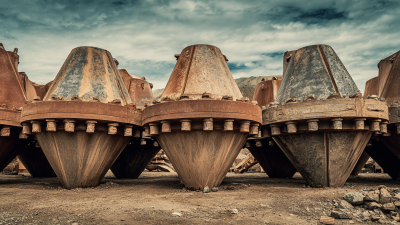
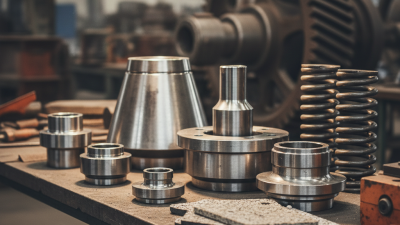
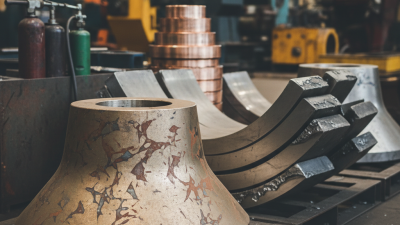
What Are Cone Crusher Wear Parts? These components shape the crushing chamber and absorb repeated impact, pressure, and abrasion. The mantle moves against the bowl liner, or concave, to compress stone into a controlled size. Other parts may include feed plates, arm guards, and protective liners, depending on the crusher design.
In daily quarry work, wear parts are not simply replaceable metal pieces. Their profile affects chamber volume, product shape, power use, and throughput. Manganese steel remains common because it can harden under impact. However, material choice should match the feed, operating conditions, and crusher model. Hard, abrasive rock may require a different alloy than softer limestone. Moisture and poor feed distribution can also accelerate uneven wear.
Small details matter.
Experienced operators inspect the mantle and concaves during scheduled maintenance. They look for thin sections, cracking, scoring, and a changed discharge setting. A part may appear usable while its worn profile quietly reduces performance. No wear forecast is perfect. Feed conditions change, and real measurements should guide replacement decisions. Reliable suppliers provide verified dimensions, material specifications, and fitment information. They should also explain expected service conditions rather than promise unrealistic results.
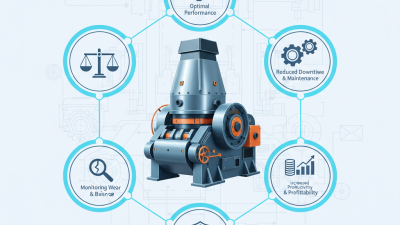
Understanding Cone Crusher Wear Parts helps maintenance teams protect equipment and maintain consistent production. The best choice is not always the thickest or cheapest component. It is the part that fits correctly, matches the application, and supports safe, measurable operation. 马会
Definition and Role of Cone Crusher Wear Parts
What Are Cone Crusher Wear Parts?
Definition and Role of Cone Crusher Wear Parts
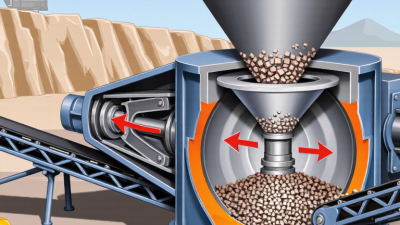
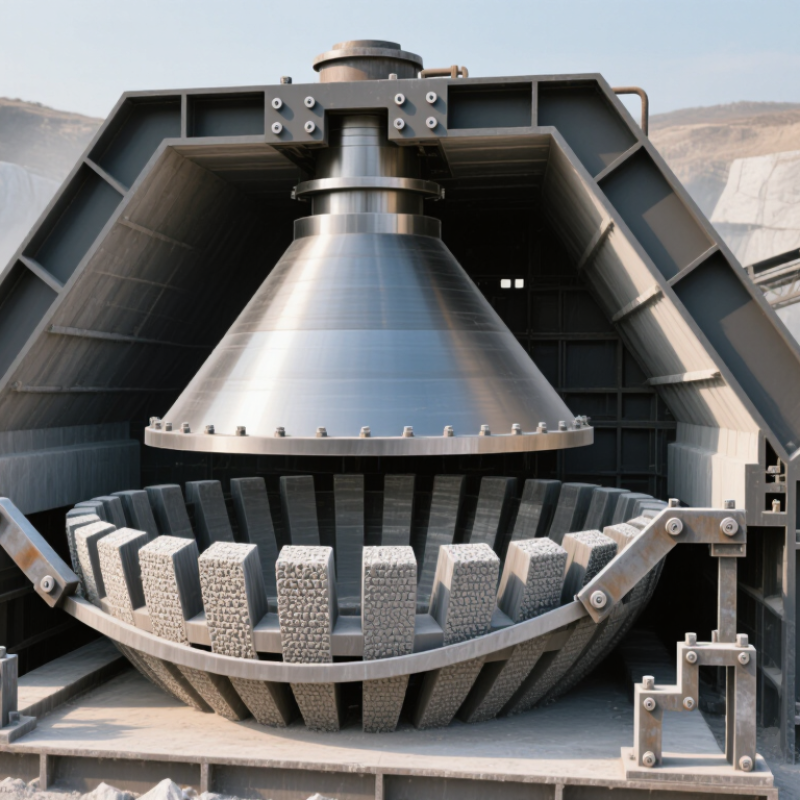
Cone crusher wear parts are replaceable components that contact and compress mined rock. The main parts include the mantle, concave, feed plate, and protective liners. They form the crushing chamber and control how stone breaks under pressure.
Their role is practical, not decorative. A mantle moves against the concave, reducing rock into controlled sizes. The liner profile affects capacity, product shape, power use, and chamber retention. High-manganese steel is common because it can harden under impact. However, material selection must match the feed. Abrasive granite and soft limestone do not wear parts in the same way.
Scale makes small decisions expensive. The U.S. Geological Survey reported about 1.5 billion metric tons of crushed stone produced in the United States in 2023. At that volume, uneven liner wear can create substantial downtime and product variation. A 2024 mining equipment market report from Research and Markets also identified maintenance efficiency as a major purchasing consideration for crushing equipment.
Field inspections should track liner thickness, discharge setting, power draw, and product gradation. These measurements reveal wear earlier than visual checks alone. A rough chamber can increase recirculation.
That detail is easy to miss.
In practice, replacement timing is rarely perfect. Operators may change parts too early to protect output, or too late after uneven wear has damaged performance. The best decision combines inspection records, feed characteristics, operating hours, and measured production data. Supplier claims should be tested against site evidence. Every quarry behaves differently.
What Are Cone Crusher Wear Parts? Definition and Role
Cone crusher wear parts are replaceable components that absorb crushing forces and protect the main equipment. The mantle and concave form the crushing chamber, while the feed cone and distributor help guide and distribute material. Austenitic manganese steel is commonly used because it can work-harden under impact and compression.
The chart shows common manganese-content specification bands for austenitic wear-part steels, expressed as weight percent manganese. Higher-manganese grades are generally selected for applications with greater impact and work-hardening requirements. Actual material selection depends on feed size, abrasiveness, crushing stage, and operating conditions.
Main Types of Cone Crusher Wear Components
Cone crusher wear parts are sacrificial components that protect the crushing chamber from abrasive rock. Their design directly affects product shape, power use, and maintenance intervals. The U.S. Geological Survey reported approximately 1.5 billion metric tons of crushed stone production in the United States during 2023. That scale explains why small liner-design changes can create significant operating costs.
The main wear components are the mantle and bowl liner, also called the concave. The mantle moves inside the bowl liner and compresses the feed. Their profiles control the crushing cavity, closed-side setting, and reduction ratio.
A feed cone protects the upper assembly from direct impact. Arm guards, socket liners, and eccentric bushings protect supporting areas exposed to dust, vibration, or misaligned loads. Some designs also use a torch ring to assist liner removal during maintenance.
Material selection matters. High-manganese steel remains common because it can harden under repeated impact. Abrasion-resistant alloys may perform better in steady, highly abrasive feed, but they can respond poorly to heavy tramp impact. Field inspections should check liner thickness, uneven polishing, cracks, and packed material. ASTM C136/C136M sieve analysis can verify whether the produced gradation matches the target. In practice, wear patterns are rarely perfect. Feed segregation, moisture, and operator adjustments can distort the evidence. A liner that looks efficient may still be consuming excessive power.
Materials Used to Make Cone Crusher Wear Parts
What Are Cone Crusher Wear Parts?
Materials Used to Make Cone Crusher Wear Parts
Cone crusher wear parts include mantles, concaves, bowl liners, and feed plates. These components absorb constant impact and abrasive pressure inside the crushing chamber. Their material controls service life, product consistency, and maintenance intervals.
High-manganese steel remains a common choice for mantles and concaves. Under heavy impact, its surface hardens while the inner structure stays tougher. This balance helps the liner resist cracking during demanding crushing cycles. Different manganese grades suit different feed sizes and operating conditions. More manganese does not automatically mean better performance. Feed hardness, chamber design, and crushing pressure matter just as much.
Some applications use alloyed steel or martensitic steel. These materials can provide greater resistance to abrasive wear when impact levels are moderate. High-chromium iron may also perform well with highly abrasive, carefully controlled feed. However, it can be less tolerant of sudden impact and uneven loading. I have seen premature damage caused by poor feed distribution, not weak material. That detail is easy to overlook. Material selection should follow measured wear patterns, liner inspection records, and actual operating data. Laboratory hardness values help, but they cannot replace site experience. A liner may look strong on paper and still fail early when the crusher runs outside its intended conditions.
How Cone Crusher Wear Parts Function During Crushing
Cone crusher wear parts are the replaceable surfaces that contact stone inside the crushing chamber. Common examples include the mantle, concave, and protective liners. They are usually made from wear-resistant cast alloys. Their real purpose is more than resisting abrasion. They shape the chamber and control how rocks move, compress, and break.
During crushing, the mantle turns or gyrates inside the concave. The gap repeatedly opens and closes. When the gap narrows, feed material experiences compression and fractures along natural weaknesses. When it opens, smaller pieces move downward through the chamber. This cycle creates a steady crushing action. The liner profile affects feed distribution, product size, power demand, and chamber capacity. A worn profile can leave more flat, poorly shaped particles.
Practical inspection matters. Operators often check liner thickness, discharge setting, vibration, and the sound of the machine. Uneven wear may indicate poor feeding, excessive fines, or an incorrect closed-side setting. It may also show that the chamber is not full enough. Small details matter. A thin section near the lower chamber deserves attention. However, wear patterns are not perfectly predictable. Rock hardness, moisture, and feed size change daily. Measurements should support experience, not replace it. Some maintenance decisions still require careful judgment and machine-specific guidance.
Signs, Selection, and Replacement of Worn Parts
What Are Cone Crusher Wear Parts?
Signs, Selection, and Replacement of Worn Parts
Cone crusher wear parts include the mantle and concave, which absorb constant crushing pressure. Their profiles control the crushing chamber and finished product shape. In field inspections, uneven wear often reveals feed segregation, incorrect settings, or poor material distribution. A visual check helps, but it can mislead.
Watch for reduced throughput, rising power demand, coarse product, and unusual vibration. Check the liner surface for thin sections, cracks, packing, or a distorted profile. Measure critical areas with suitable gauges, following the equipment manual. Do not rely only on operating hours. Abrasive stone can shorten service life quickly. Sometimes, a part looks acceptable but has already lost its working profile.
Select replacement parts according to feed size, rock abrasiveness, chamber design, and the required product grading. Confirm dimensions, seating surfaces, and material specifications before ordering. A harder alloy is not automatically better; it may perform poorly under impact-heavy conditions. During replacement, isolate the machine, remove stored energy, and inspect supporting components. Install parts evenly, apply approved torque values, and check clearances carefully. After startup, monitor vibration, power, product shape, and liner seating. Recheck bolts and wear patterns after the initial operating period. Small installation errors can become expensive damage.